










![186' CRN 2008 Sold by Pierre Badin [RICHAR]](/_astro-app/large_richar_186_crn_icy4a0_original_8e145fb646_Z16XTlx.webp)

The Global Leader in Yacht Brokerage, Charter & Management
For more than 75 years, Denison Yachting has helped clients buy, sell, charter, build, and manage exceptional yachts around the world. Backed by three generations of yachting expertise, an award-winning team of yacht professionals, and a global network spanning the world's leading yachting destinations, Denison delivers a seamless experience for every stage of yacht ownership.
Whether you're searching for your first yacht, upgrading to a larger vessel, listing a yacht for sale, planning a luxury yacht charter, or seeking comprehensive yacht management services, Denison provides the market knowledge, industry relationships, and personalized guidance needed to achieve your goals. From brokerage and new construction to charter vacations and operational support, our team helps clients navigate every aspect of the yachting lifestyle with confidence.
Buy, Sell & Build Yachts With Confidence
Purchasing a yacht is one of the most significant investments many owners will make. From evaluating yachts for sale and comparing market opportunities to negotiating offers, coordinating surveys, and managing closing procedures, Denison's experienced yacht brokers guide clients through every step of the process.
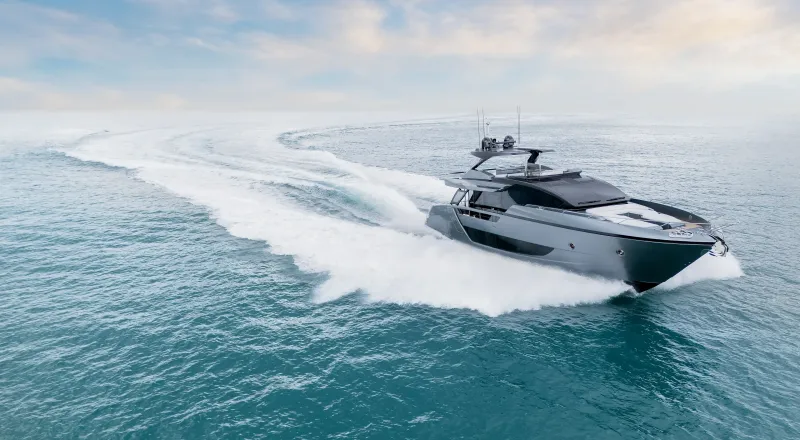
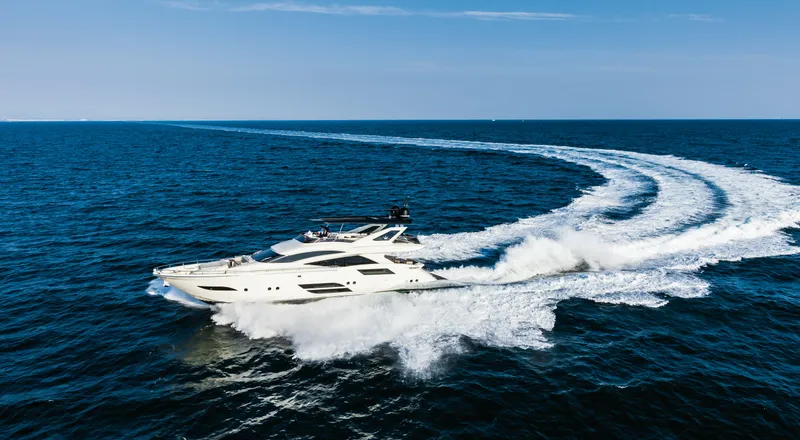
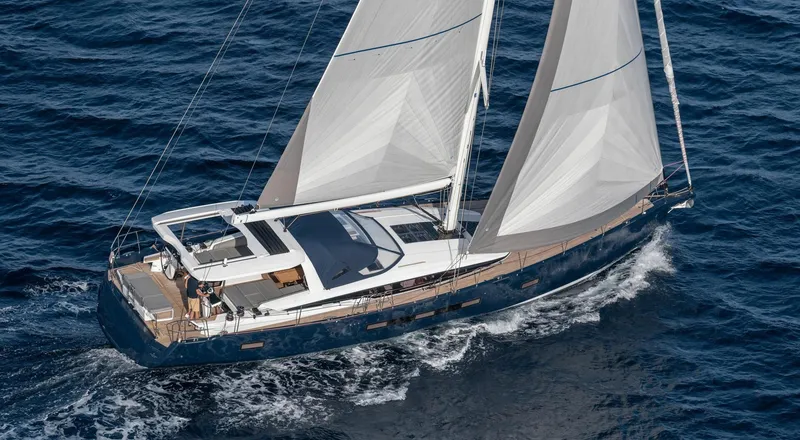
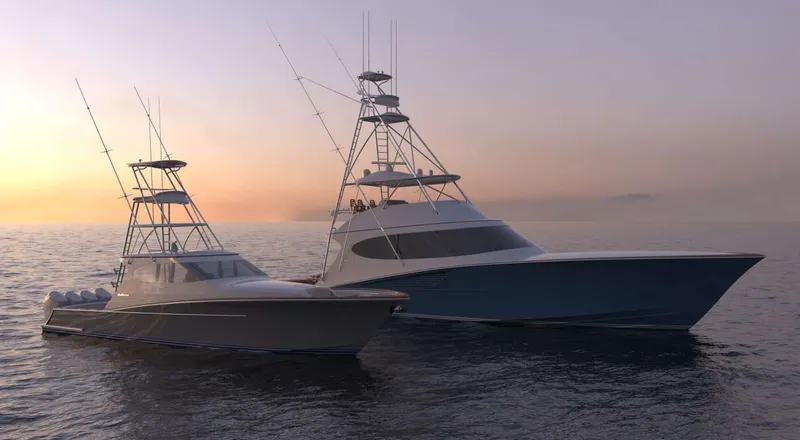
Our global yacht brokerage team represents buyers and sellers across all major yacht categories, including luxury motor yachts, superyachts, explorer yachts, sportfishing yachts, catamarans, sailing yachts, trawlers, center consoles, and custom-built vessels. Whether you're looking for a turnkey brokerage yacht or exploring a new construction project with a world-renowned shipyard, Denison provides expert advice designed to help you make informed decisions.
For yacht owners looking to sell, Denison combines advanced digital marketing, premium photography and video, targeted advertising campaigns, global listing exposure, strategic pricing analysis, boat show representation, and a worldwide network of qualified buyers. This comprehensive approach helps maximize visibility while delivering exceptional results in today's competitive yacht market.
Discover the World's Finest Yachts for Sale
Denison offers one of the industry's most comprehensive selections of luxury yachts for sale, featuring both new and pre-owned vessels from the world's most respected yacht builders. Buyers can explore everything from family cruising yachts and performance catamarans to ocean-crossing expedition yachts and ultra-luxurious superyachts.
Our portfolio includes yachts from leading brands and shipyards known for innovation, craftsmanship, engineering excellence, and timeless design. Whether your dream yacht is designed for entertaining, long-range cruising, sportfishing adventures, or global exploration, Denison's team is dedicated to connecting you with the right vessel and ownership strategy.
Exceptional Yacht Charter Experiences Worldwide
A luxury yacht charter offers unmatched freedom, privacy, and access to some of the most breathtaking destinations on earth. From the crystal-clear waters of the Bahamas and Caribbean to the iconic coastlines of the Mediterranean, Denison creates personalized charter experiences tailored to every style of traveler.
Our yacht charter specialists work closely with clients to select the ideal yacht, destination, crew, and itinerary. Whether you're planning a family vacation, milestone celebration, corporate retreat, island-hopping adventure, or once-in-a-lifetime superyacht experience, Denison provides access to an exclusive fleet of professionally crewed charter yachts around the world.
From world-class dining and customized itineraries to water sports, remote anchorages, and five-star service, every charter is designed to deliver unforgettable experiences both on and off the water.
Simplifying Yacht Ownership Through Professional Management
Owning a yacht should be enjoyable, not overwhelming. Denison's yacht management division provides comprehensive solutions that allow owners to spend more time enjoying their yacht and less time managing day-to-day operations.
Our yacht management services include maintenance coordination, crew recruitment and administration, budget planning, financial reporting, regulatory compliance, insurance support, refit supervision, technical oversight, and charter management. With dedicated professionals overseeing every detail, owners can protect their investment while maximizing performance, efficiency, and long-term value.
Whether managing a private yacht, charter yacht, or large superyacht, Denison delivers customized support tailored to the unique requirements of every vessel and owner.
A Global Network Backed by Local Expertise
The yacht market is global, but successful transactions often depend on local knowledge and trusted relationships. Denison serves clients throughout North America, Europe, the Caribbean, the Mediterranean, the Middle East, and emerging yachting regions worldwide through a network of experienced yacht brokers and industry professionals.
Our team regularly assists buyers, sellers, charter guests, captains, shipyards, and yacht owners in some of the world's most active boating markets, providing real-time market intelligence and access to opportunities that extend far beyond traditional brokerage services.
This combination of global reach and localized expertise allows Denison to connect clients with the right resources, opportunities, and solutions wherever their yachting journey takes them.
A Legacy That Continues to Shape Modern Yachting
Since 1948, the Denison name has been associated with innovation, craftsmanship, and leadership in the marine industry. From the family's involvement with Broward Marine and the evolution of American yacht building to today's position as one of the world's leading yacht brokerages, Denison has built a reputation founded on integrity, expertise, and exceptional client service.
As the yachting industry continues to evolve, Denison remains committed to embracing new technologies, innovative marketing strategies, and forward-thinking solutions that help buyers, sellers, charter clients, and yacht owners achieve their goals. This dedication to excellence has helped establish Denison as a trusted partner for generations of yacht enthusiasts around the world.
Your Complete Resource for Luxury Yachting
Whether you're researching yachts for sale, planning a luxury yacht charter, exploring new yacht construction opportunities, seeking yacht management services, or preparing to sell your yacht, Denison Yachting provides the expertise, guidance, and global reach necessary for success.
With decades of experience, industry-leading marketing, award-winning service, and one of the strongest professional networks in yachting, Denison continues to set the standard for yacht brokerage, yacht charter, yacht management, and luxury yacht ownership worldwide.
What does a yacht broker do?
A yacht broker acts as a professional advisor throughout the yacht buying and selling process. Yacht brokers help clients identify the right vessels, evaluate market value, negotiate offers, arrange surveys and sea trials, coordinate financing and insurance referrals, manage documentation, and oversee the closing process. Working with an experienced yacht broker can save time, reduce risk, and provide access to opportunities both on and off the market.
How do I buy a yacht?
The yacht buying process typically begins with defining your budget, intended use, preferred destinations, and vessel type. Once suitable yachts are identified, your broker will help you compare options, submit offers, conduct inspections, arrange a marine survey and sea trial, negotiate terms, and complete the final transaction. Denison Yachting assists clients through every step, making yacht ownership accessible for both first-time and experienced buyers.
Should I buy a new yacht or a pre-owned yacht?
Both options offer unique advantages. New yachts provide modern technology, customization opportunities, manufacturer warranties, and the latest design innovations. Pre-owned yachts often offer significant value, faster delivery, and proven performance histories. The ideal choice depends on your budget, timeline, cruising plans, and ownership goals.
How do I sell my yacht?
Selling a yacht involves more than simply listing it online. Successful yacht sales require professional valuation, accurate pricing strategy, high-quality photography and video, targeted marketing, buyer qualification, negotiations, survey management, and closing coordination. Denison Yachting's brokerage team provides worldwide exposure and strategic marketing designed to connect yacht owners with qualified buyers.
How much does a luxury yacht charter cost?
Luxury yacht charter rates vary based on yacht size, age, destination, season, crew requirements, and onboard amenities. Charters can range from modestly sized crewed yachts to ultra-luxury superyachts offering world-class accommodations, water toys, wellness facilities, and customized itineraries. Charter specialists help guests identify the best options based on budget and travel preferences.
What is included in a yacht charter?
Most luxury yacht charters include the yacht, professional crew, guest accommodations, itinerary planning, and use of onboard amenities and water toys. Additional expenses typically include fuel, provisions, dockage fees, local taxes, and special requests. Each charter agreement outlines the specific inclusions for the selected yacht and destination.
What is yacht management?
Yacht management is a professional service that oversees the operational, financial, regulatory, and technical aspects of yacht ownership. Services often include maintenance scheduling, crew administration, budgeting, accounting, compliance management, insurance support, refit coordination, vendor management, and charter operations. Yacht management helps owners protect their investment while simplifying day-to-day responsibilities.
What types of yachts does Denison Yachting specialize in?
Denison represents a wide range of vessels, including motor yachts, superyachts, mega yachts, explorer yachts, sportfishing yachts, catamarans, center consoles, sailing yachts, trawlers, expedition yachts, and new construction projects. Whether you're searching for a family cruiser, offshore passagemaker, or luxury superyacht, Denison's team can help identify the right yacht for your needs.
Where can I charter a yacht?
Luxury yachts can be chartered in many of the world's most sought-after cruising destinations, including the Bahamas, Caribbean, Mediterranean, Greece, Croatia, French Riviera, Italy, Alaska, New England, South Pacific, and beyond. Denison's charter specialists work with clients to create customized itineraries tailored to their interests, travel style, and preferred destinations.
Why choose Denison Yachting?
Since 1948, Denison has built a reputation for integrity, innovation, and industry expertise. With three generations of yachting heritage, a global network of yacht professionals, award-winning service, and dedicated teams specializing in yacht brokerage, yacht charter, yacht management, and new yacht construction, Denison provides clients with comprehensive support throughout every stage of yacht ownership.