 English
 Español
 Français
 Italiano


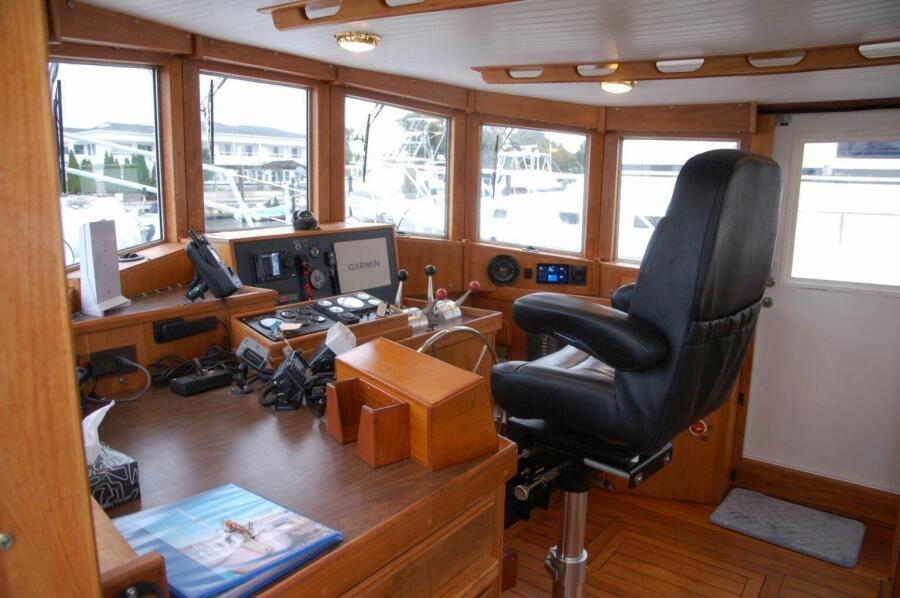
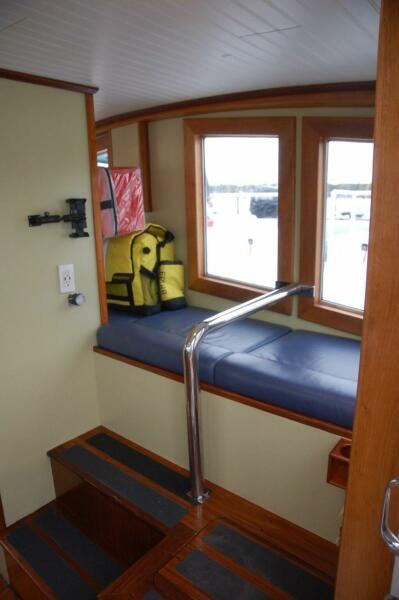
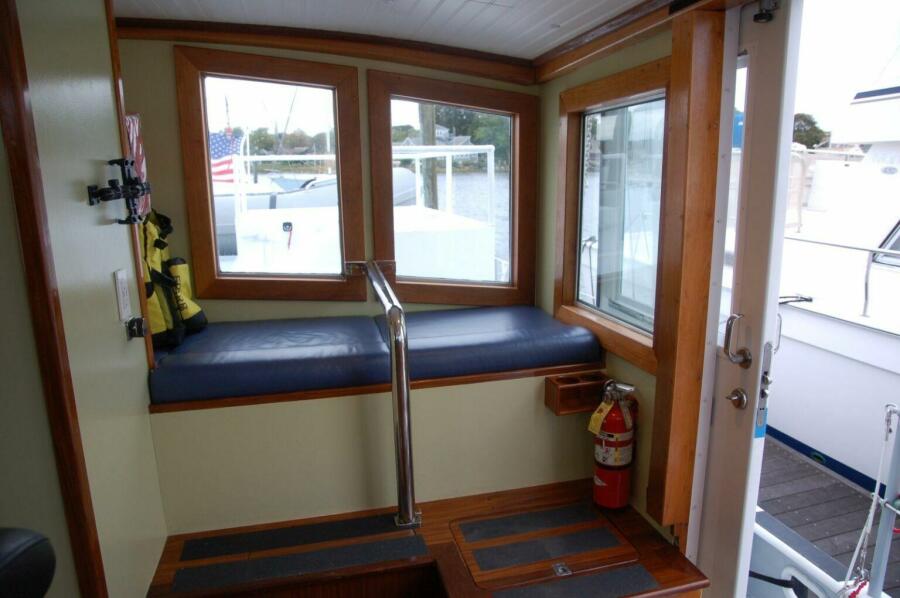
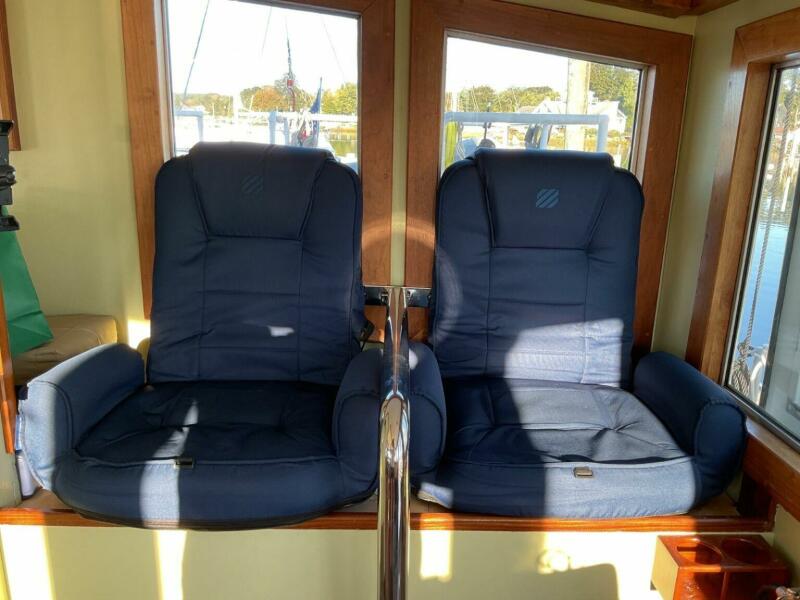
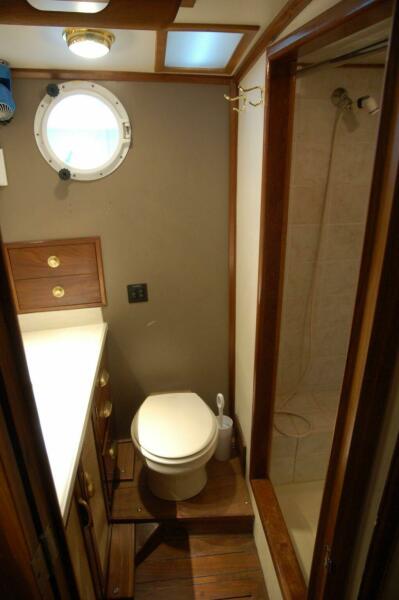
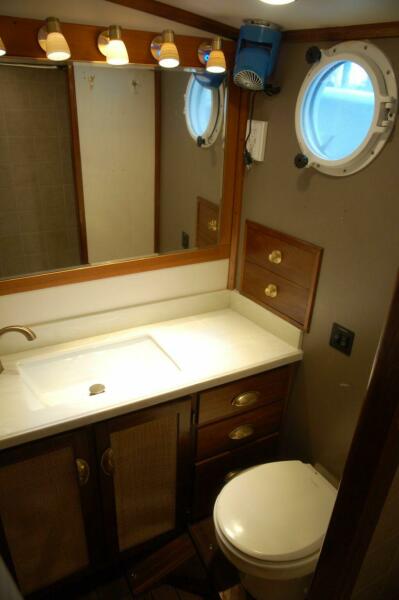
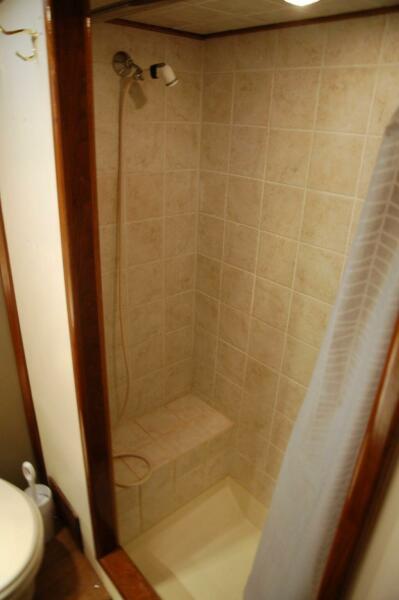
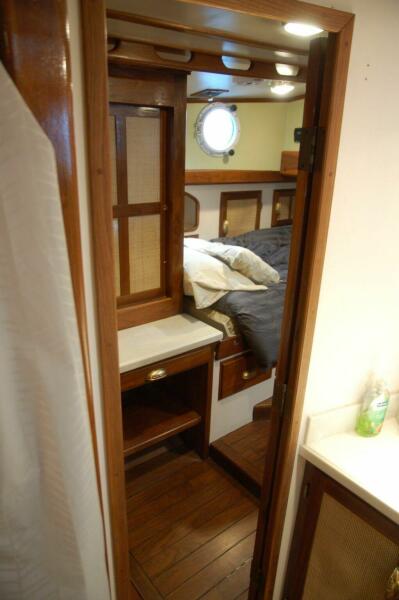
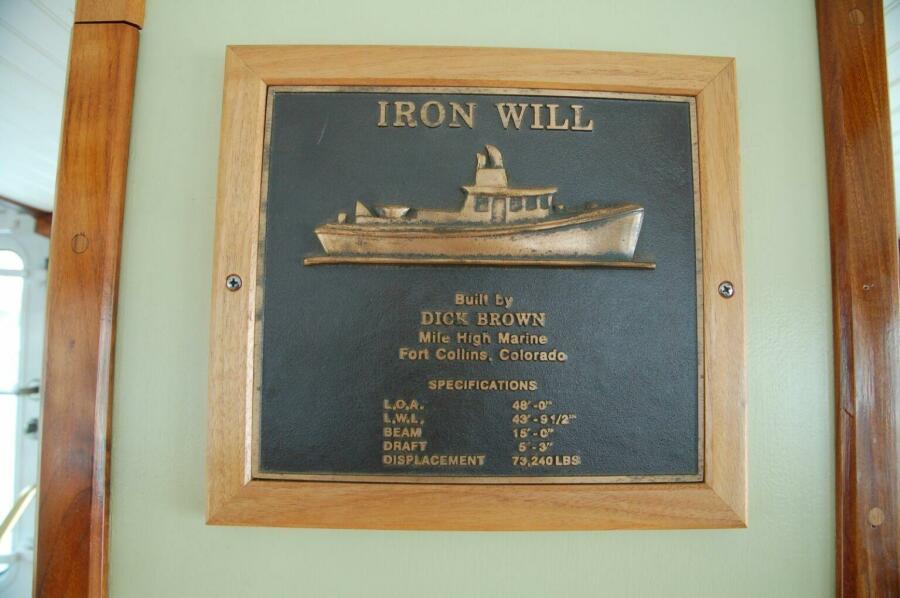
- Beam: 15' 0''
- Hull Material: Steel


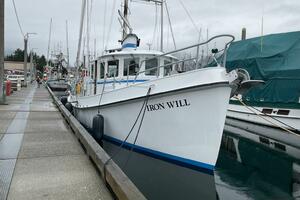
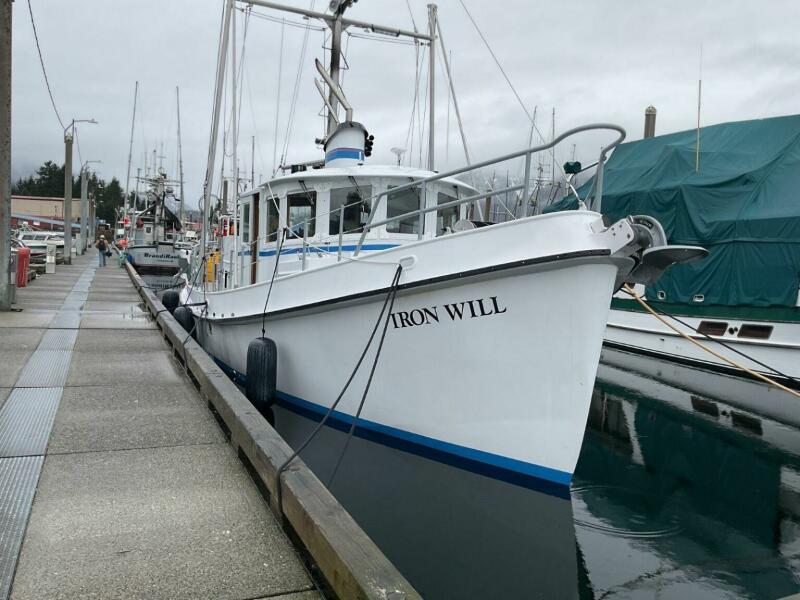
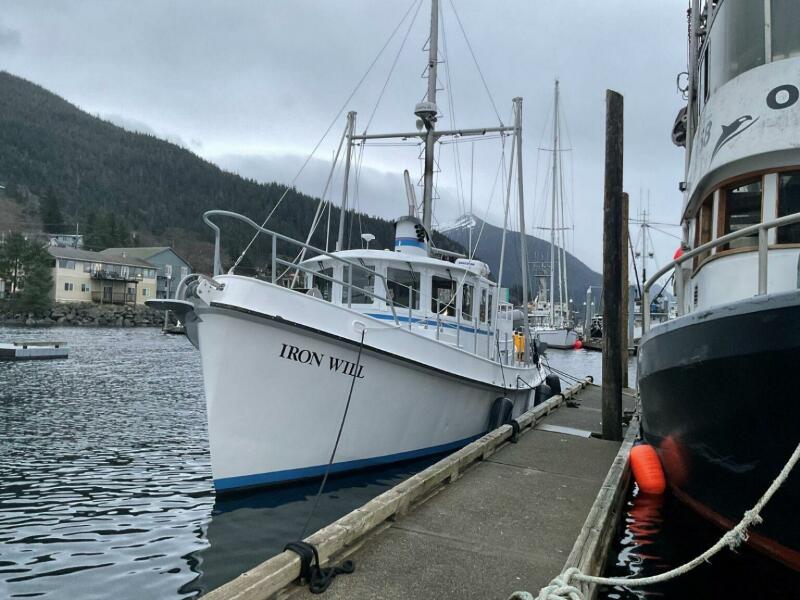
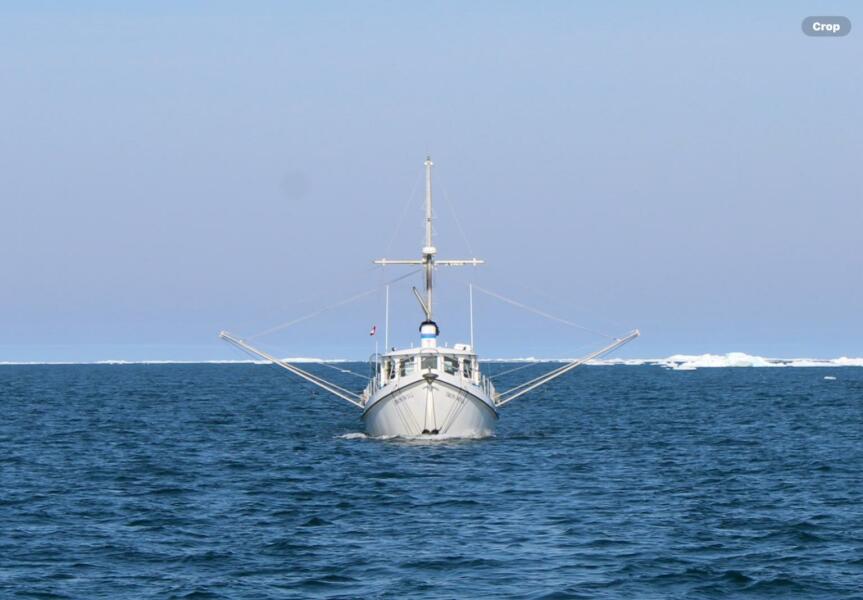
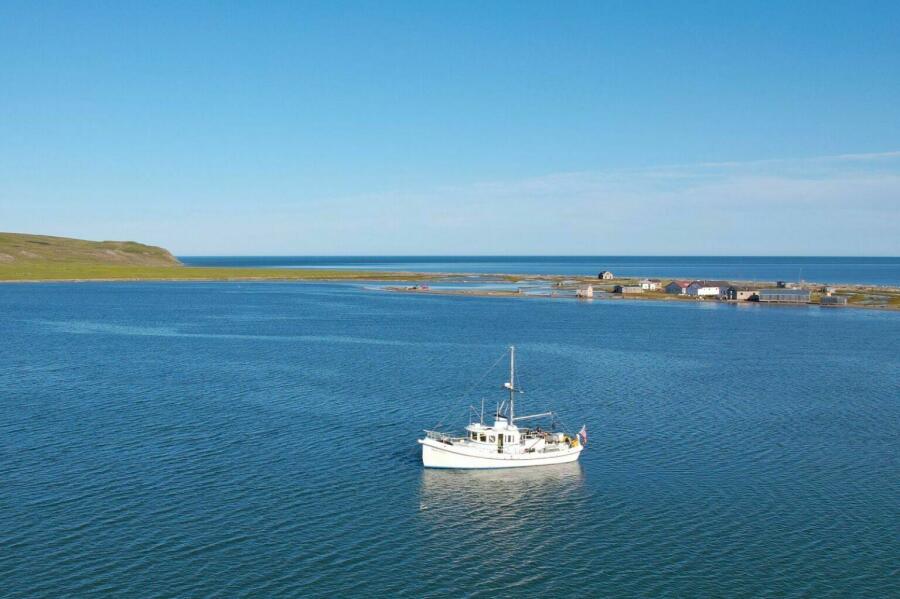
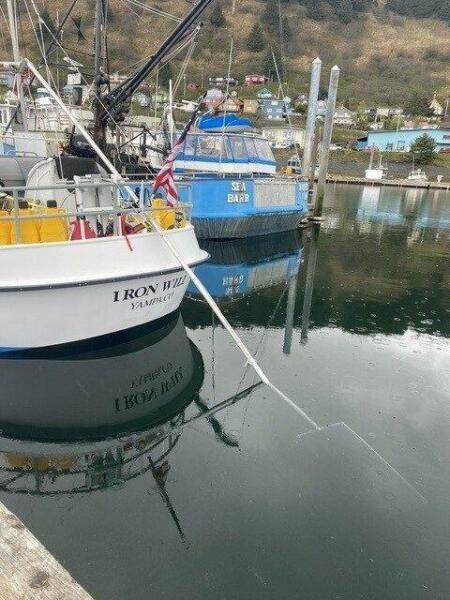
IRON WILL is a custom long range steel trawler designed by Bainbridge Island-based naval architect Scott Sprague and built by Dick Brown of Mile High Marine in Ft. Collins, CO. She was launched in 2008 and lightly used on Puget Sound and the Columbia River. She was purchased in May of 2024 by her third owner specifically for the Northwest Passage. After purchase, IRON WILL underwent comprehensive updating and outfitting for this expedition. She departed Seattle in early 2025 and navigated through challenging waters and ice over the top of Alaska and Canada completing the passage in September. IRON WILL is now in Rhode Island. She remains ready to take on the Northwest Passage from east to west and return to the Pacific Northwest. One will not find a better prepared, more capable, safe and economical vessel of this size for high latitude adventure cable of being operated by a small crew. Two were aboard for the Northwest Passage.
HIGHLIGHTS:
IRON WILL exceeded expectations on her Northwest Passage expedition. Much credit goes to her design and build. Further credit goes to the detailed preparations and “spare no expense” mindset of her owner/seller. He is a serial adventurer, world class chef, and successful restaurateur. He completed the Iron Man in Brazil, climbed the highest peak on each continent (including Mt. Everest), swam the English channel, and circumnavigated on a 48’ sailboat. Once he decides to complete a challenge, he does so with focus, planning, and attention to detail. The Northwest Passage was no exception.
I had the privilege to help with his “round the world” sailboat purchase and sale. I was also tasked with helping to find a Northwest Passage trawler. In 2023 and early 2024, we visited countless trawlers on the east and west coasts. These included Nordhavn’s, Kadey Krogens, Cape Horns, Selene’s, Northern Marine’s, and many others. IRON WILL was the hands down choice due to her rugged metal construction, simple and reliable systems, low hours and light use, large fuel tanks, and seaworthy design. But she needed some updates and outfitting.
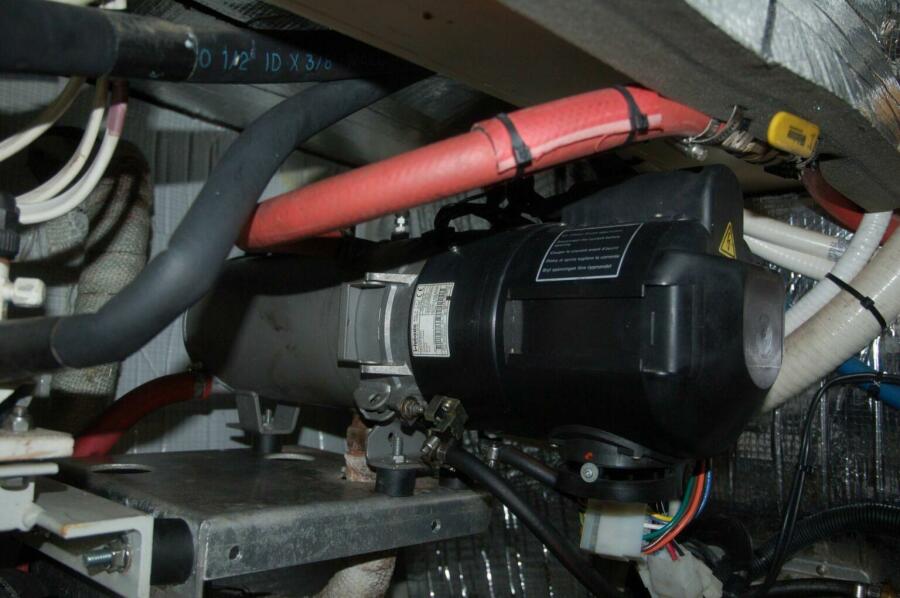
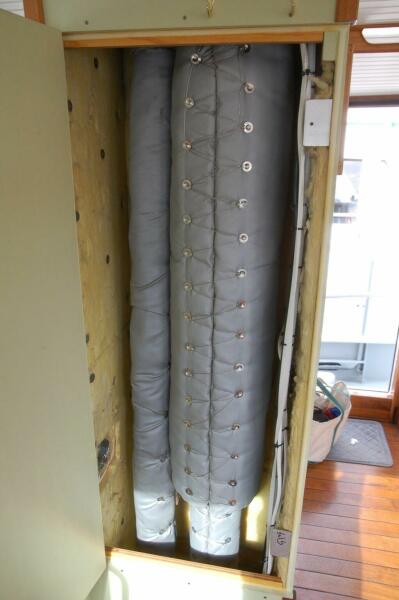
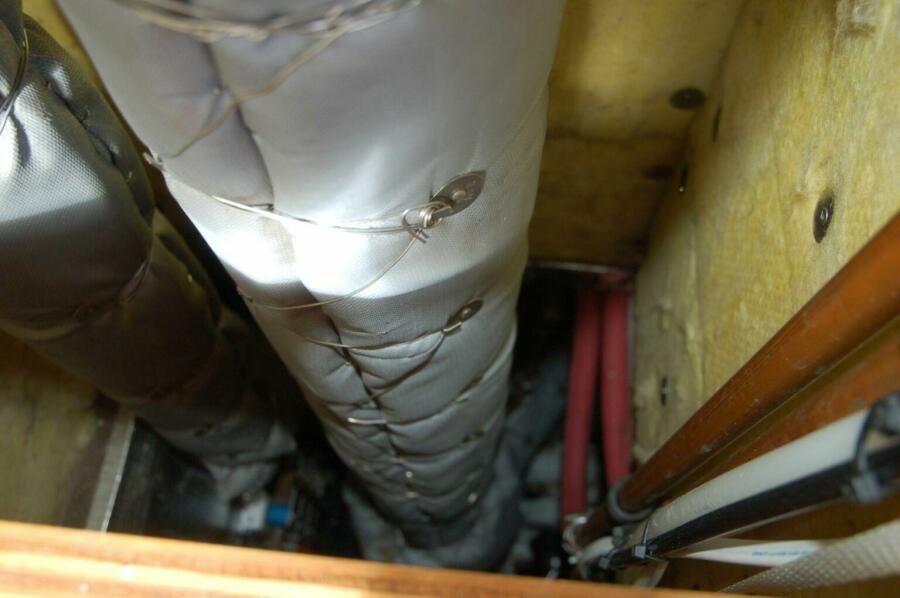
In June of 2024 IRON WILL motored from Portland to Seattle. Andy Wichert of Seattle Marine, a respected shipwright with five decades of experience, managed work in Seattle. His team updated joinery, installed new stainless steel dry stacks, a new watermaker, and fabricated storm shutters for pilothouse windows. Paul Erickson of Rider Marine Service completed a major update of the DC and AC electrical systems. The Webasto hydronic heater was rebuilt by Sure Marine Services. Later in 2024 IRON WILL visited Northern Marine in Anacortes for bottom paint, tender cradle, new propellor, and other jobs. Check this list of updates in the specifications below to appreciate how much went into preparing for the Northwest Passage.
The final element needed for the passage was a capable crew. The owner chose wisely, enlisting Jeremy Curkendall, an experienced large yacht engineer with the skills and tools to fix anything and ample time spent above deck to stand navigation watch. When visiting IRON WILL after her arrival in Rhode Island, I was blown away by the skill and diligence of this engineer/crew. He continuously maintained and tweaked the systems during the voyage so that IRON WILL is now far better set up for continued passages than when it departed Seattle. This optimization is only possible by someone aboard who lives day in/day out keeping the heat and lights on and engine running. It can’t be done by shoreside contractors.
The story of IRON WILL’s origins…… Dick Brown retired from his mechanical engineering job and was not one to sit still. A lifelong sailor and fabricator/tinkerer, he decided to build a trawler. He attended trade school to learn welding and purchased build plans from naval architect Scott Sprauge, of Hans Christian Yachts fame. Dick spent 12 years painstakingly building IRON WILL in Fort Collins. Finally, the steel hull and aluminum house were trucked (separately) to Port Townsend, WA where Goldstar Marine installed the electrical system and painted the interior and exterior. In February of 2008 IRON WILL was launched. Dick and his family used IRON WILL on Puget Sound until he passed away in 2014. His family continued to use IRON WILL until 2022 when it was sold and based in Portland, Oregon. Some updating was done by the second owner before failing health compelled selling. During the work in Seattle, a wood box with Dick’s ashes was found. Per his family’s wishes, the ashes were spread on the arctic waters of the Northwest Passage.
Denison Yacht Sales offers the details of this yacht in good faith but cannot guarantee or warrant the accuracy of this information nor warrant the condition of this boat for sale. A yacht buyer should instruct his yacht broker, or his boat surveyors, to investigate such details as the buyer desires validated. This yacht for sale is offered subject to prior sale, price change, or withdrawal without notice. This boat may be listed with another yacht broker.
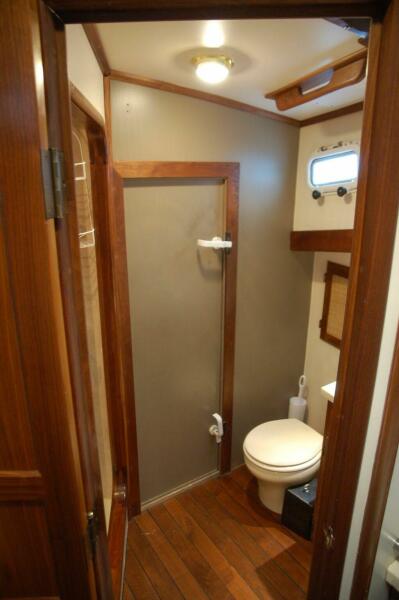
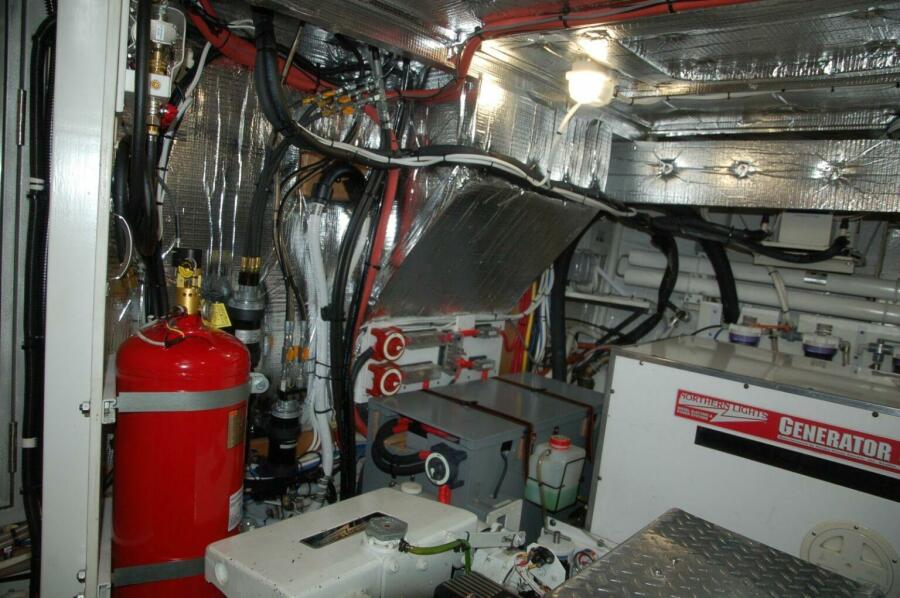
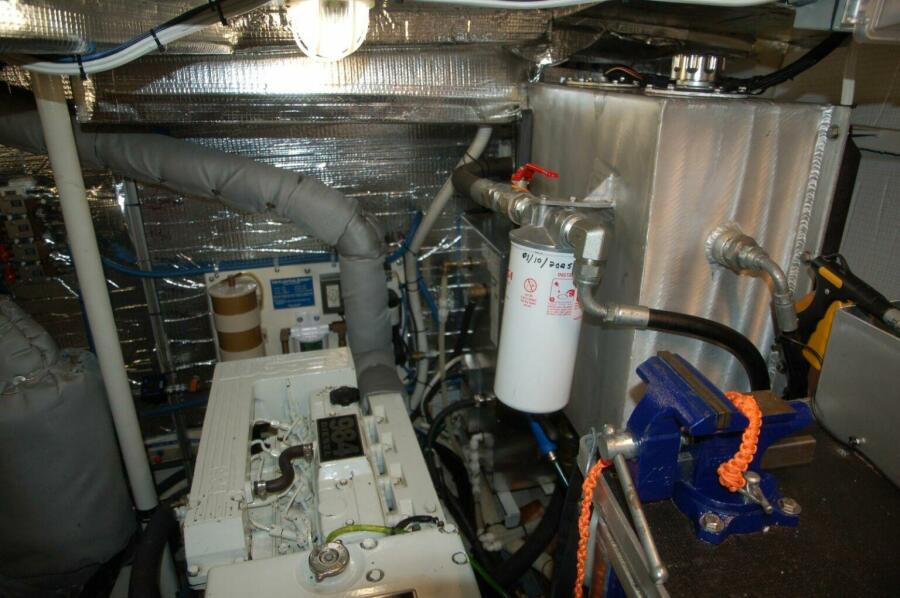
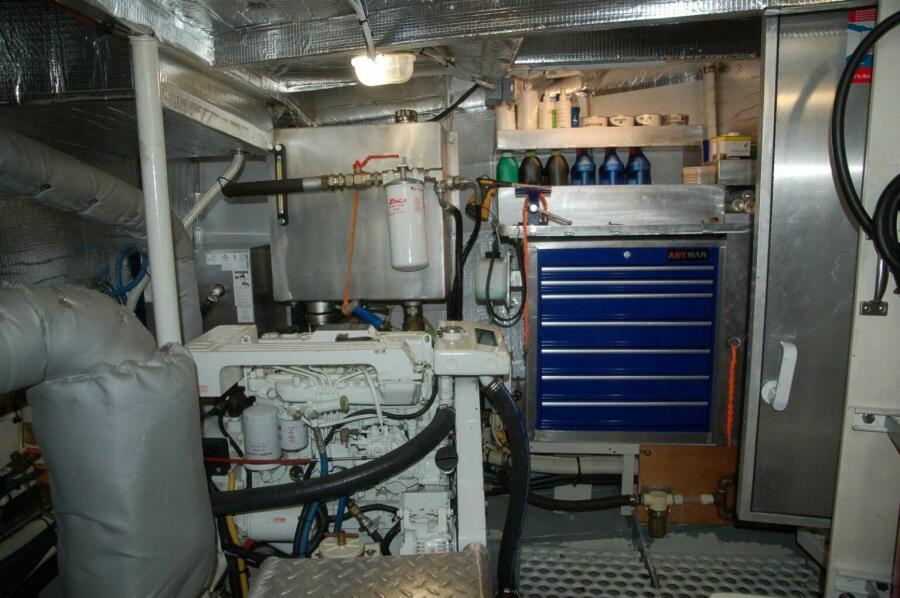
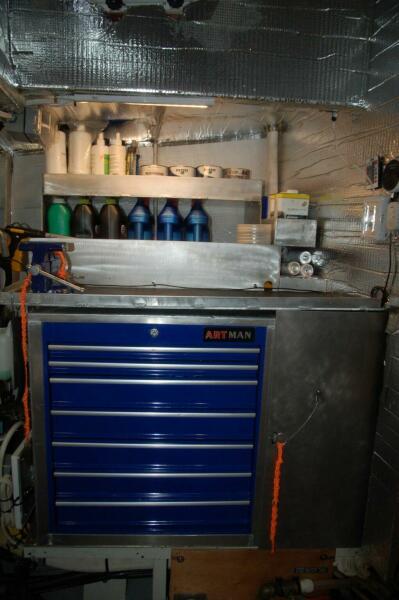
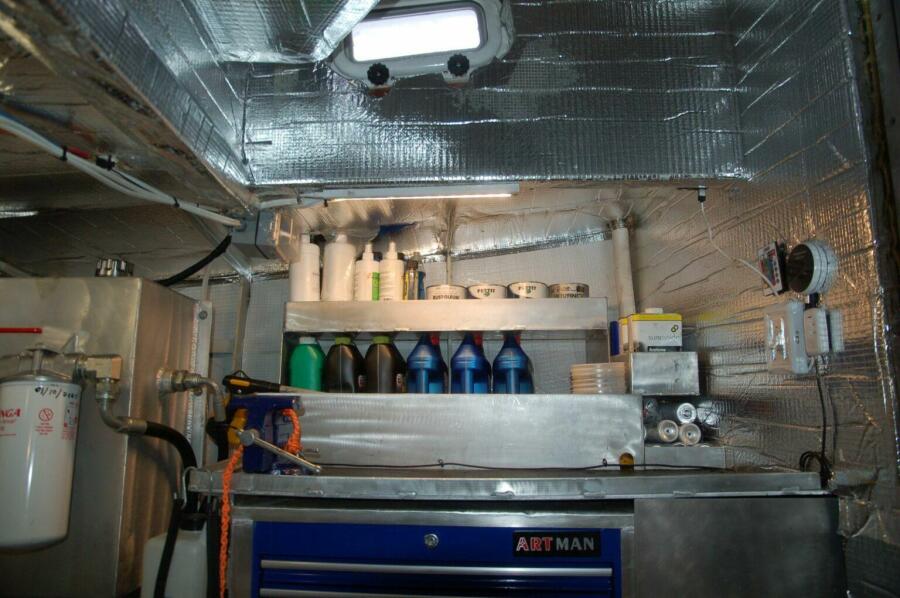
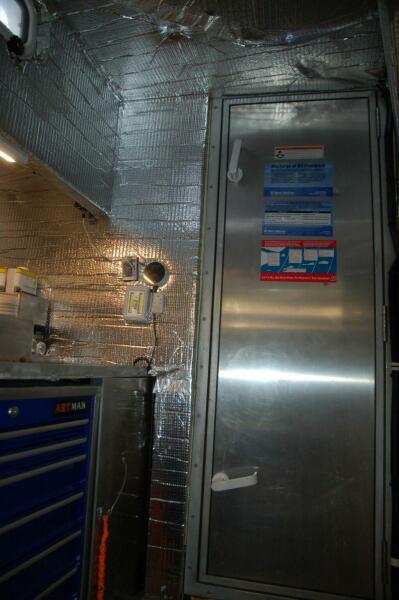
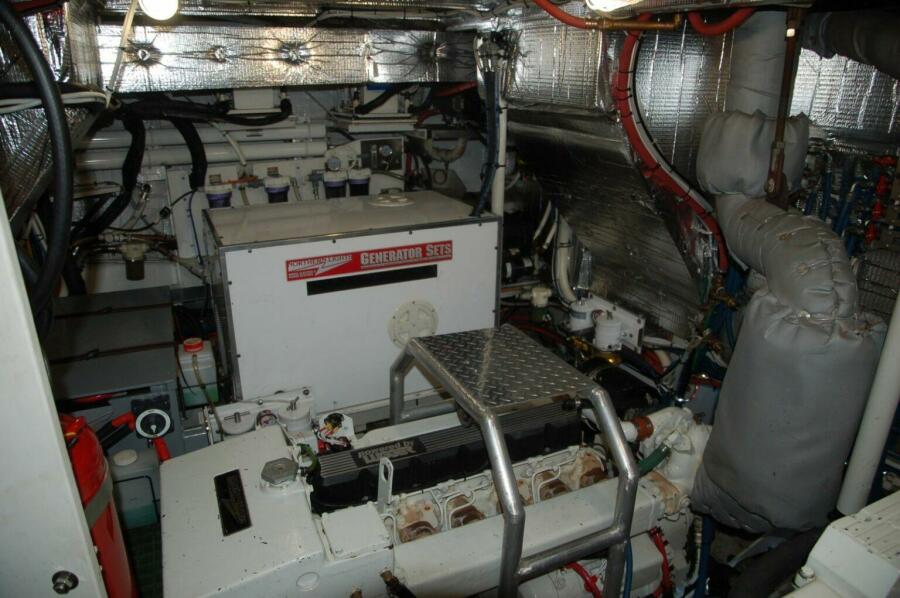
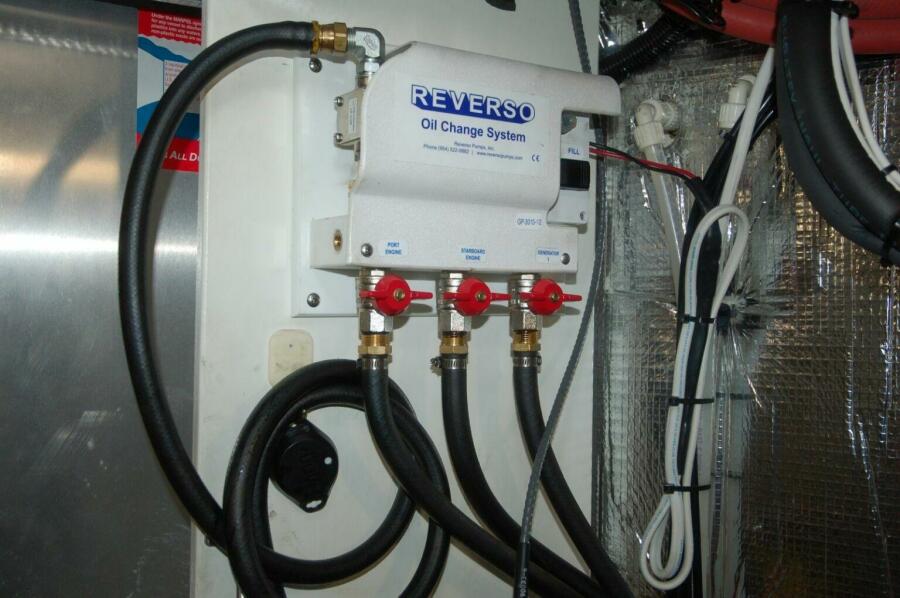
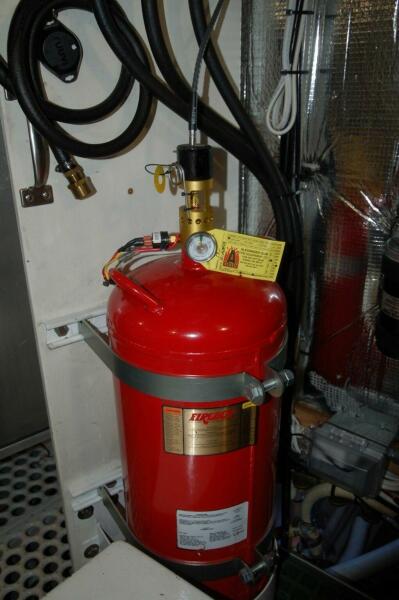
IRON WILL has a full beam, stand up engine room below the raised pilothouse. Entry is through a watertight 20” x 62” door in the forward head. Metal non-skid grating is on either side of the main engine and two steps down from the entry door. The engineroom is well lit with LED strip and dome lights. Foil-faced acoustic insulation covers the hull sides, overhead, and bulkheads. A custom metal worktable with 1” high fiddles is mounted on an Artman seven drawer tool cabinet. Storage shelves are outboard and above the work bench. Headroom measures 6’ 6” at the bench.
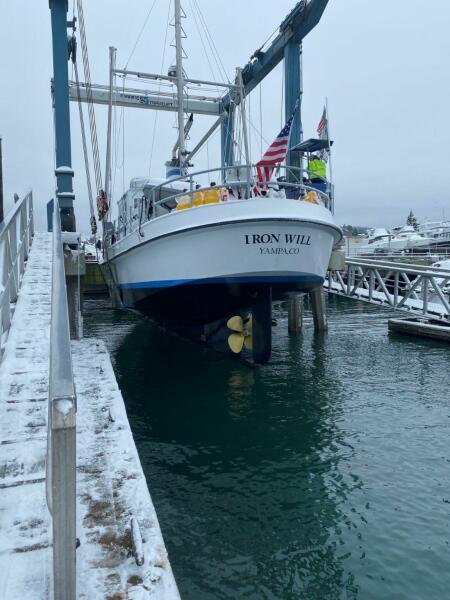
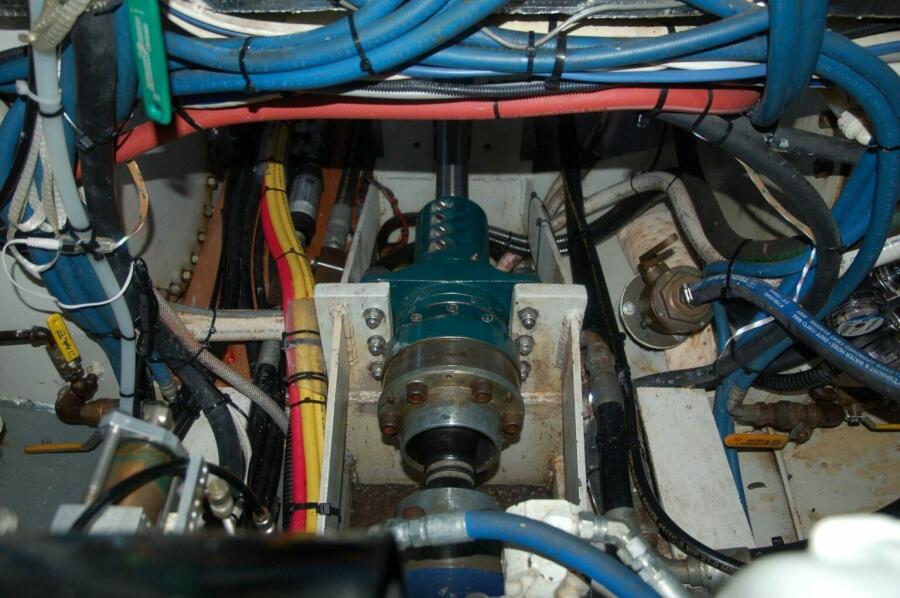
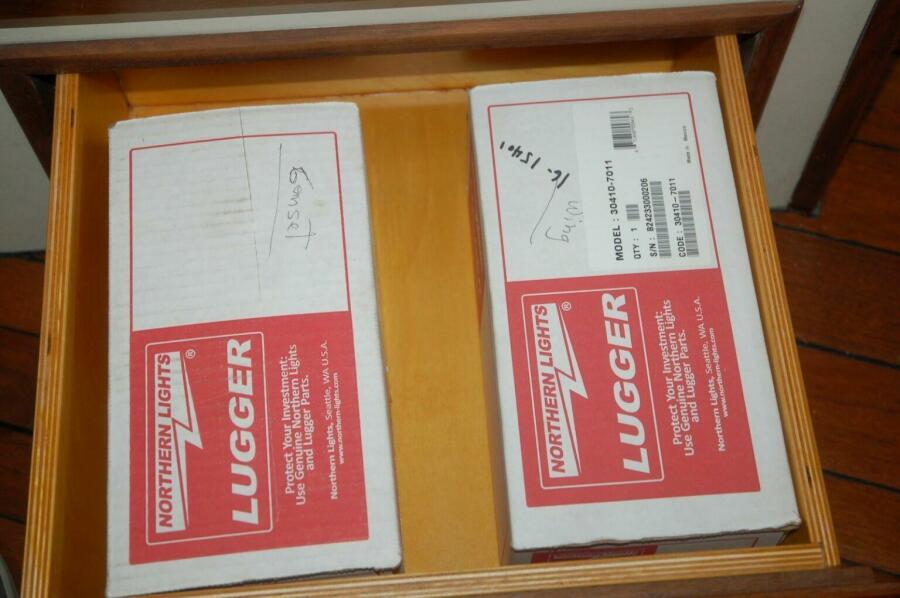
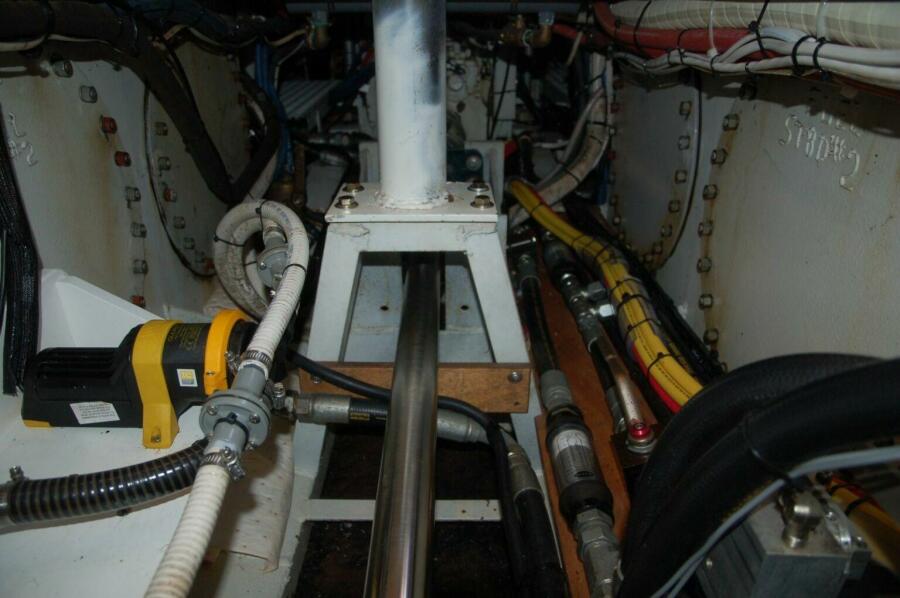
The Lugger main engine is low and well forward in the boat providing a near horizontal shaft angle with the propellor fully protected behind the full keel, just forward of the top and bottom supported rudder. A welded aluminum ladder and platform over the engine provides access to the starboard side of the engine room. This extremely dependable, long-life engine utilizes a John Deere block, dry stack, and keel cooler for maximum dependability. A Lugger wing engine is to port and aft of the workbench. This 70hp engine is also dry stacked and keel cooled and used exclusively to power a large hydraulic pump. Cooling water for the hydraulic system is driven by an engine-mounted pump.
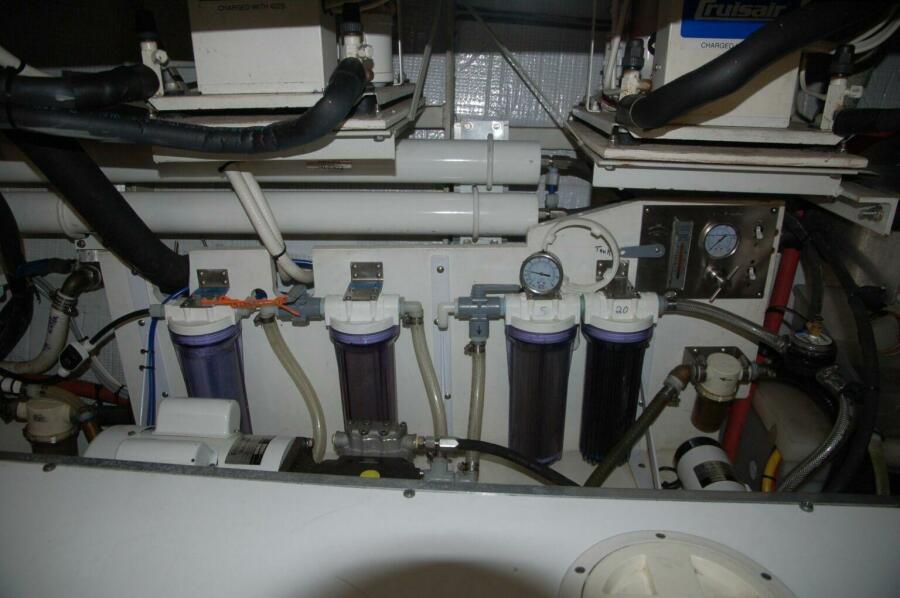
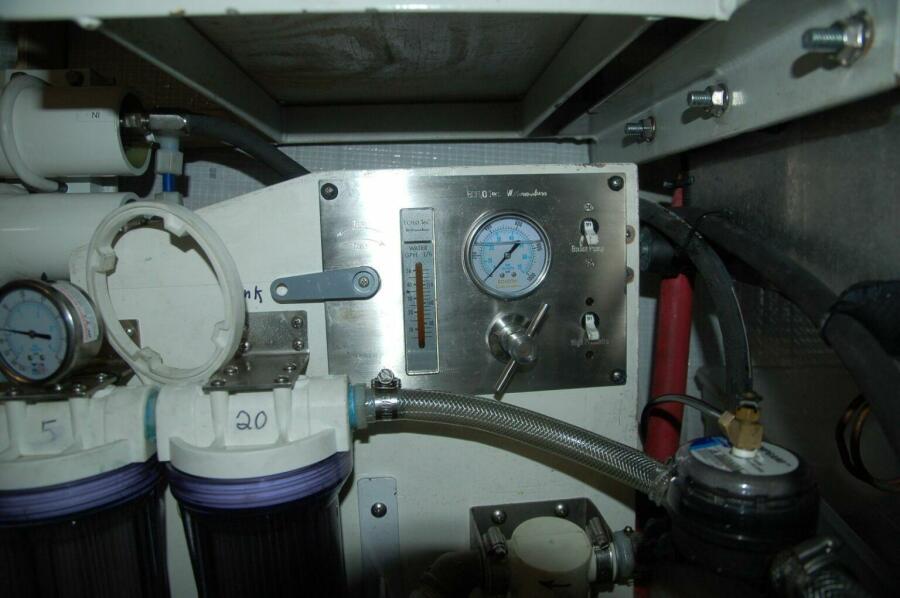
A Northern Lights 10kw genset is to starboard of the main engine and housed in a sound enclosure. An extra layer of acoustic insulation was recently added to this enclosure. The genset uses a sea water pump for cooling with exhaust injection and a water separator on the exhaust to minimize noise. The Echotec watermaker is outboard of the genset mounted up high on the hull size. The Webasto furnace, start and service batteries are forward and aft of the genset.
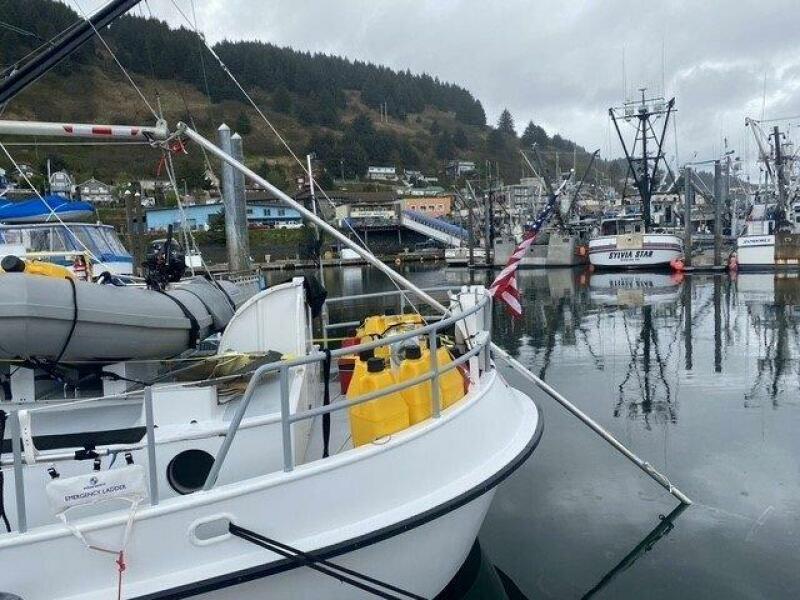
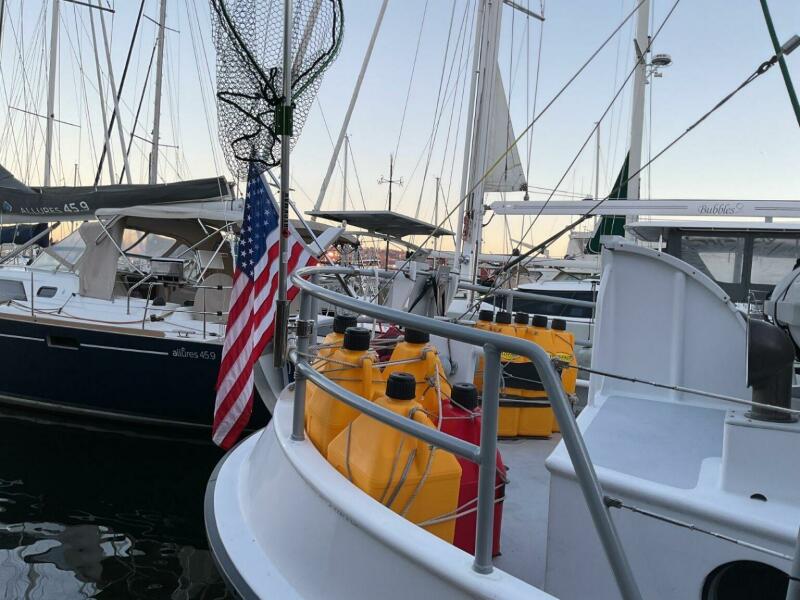
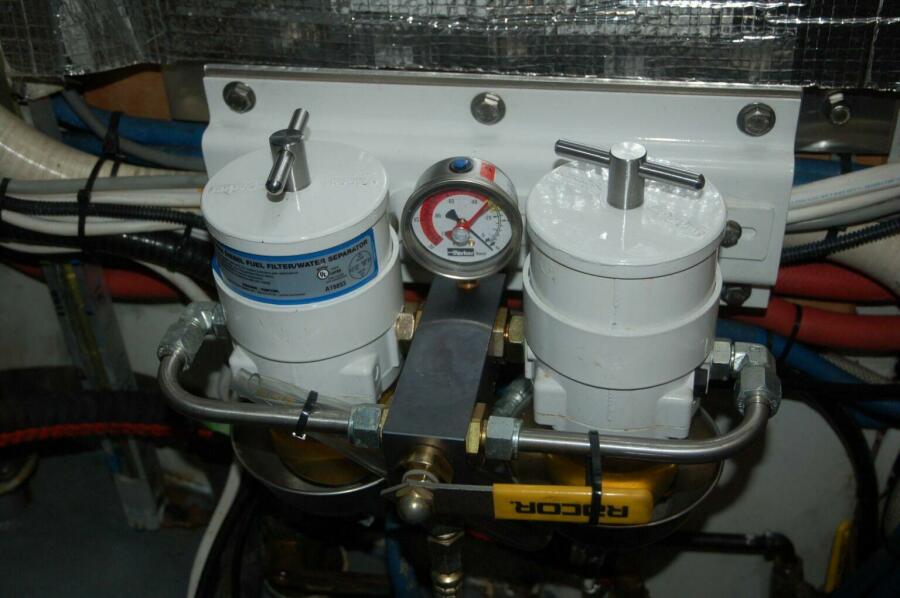
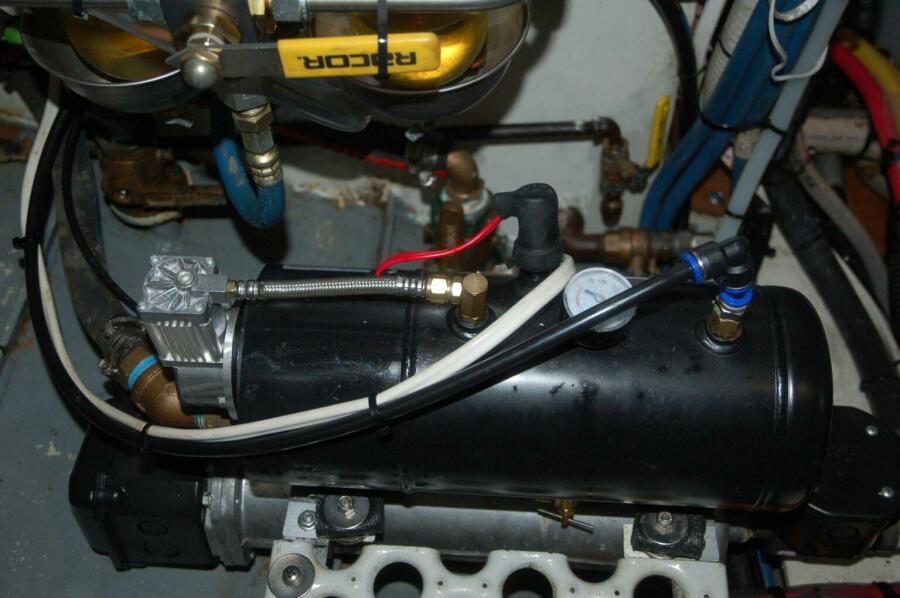
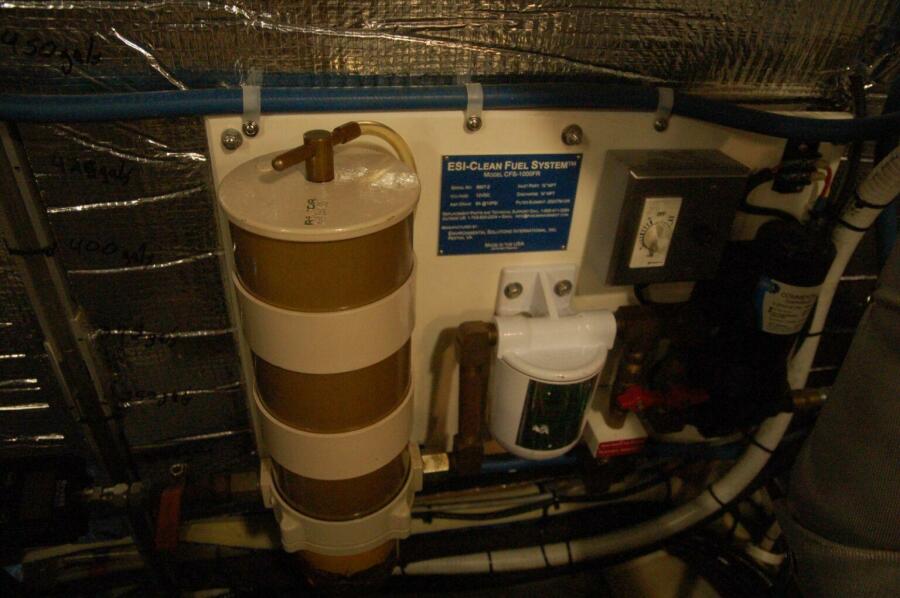
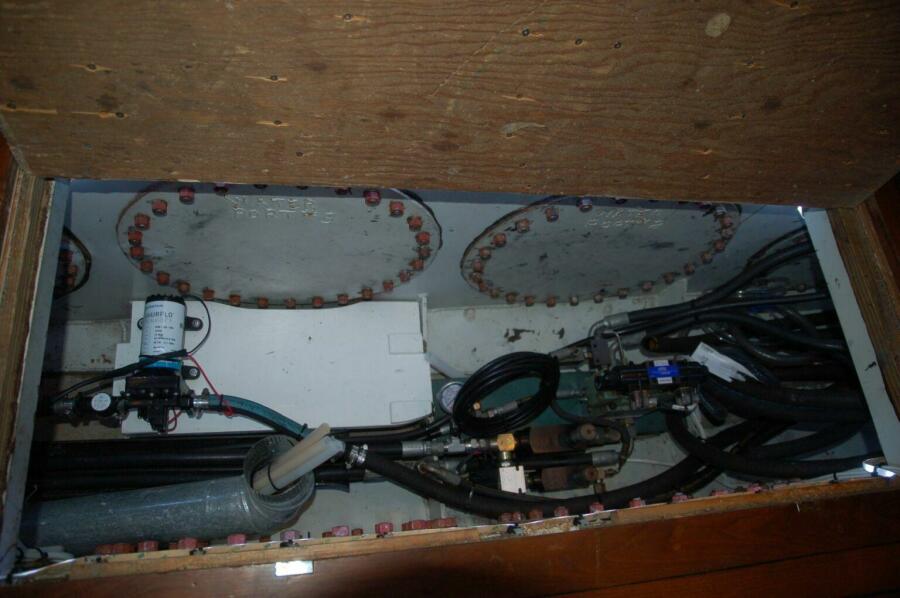
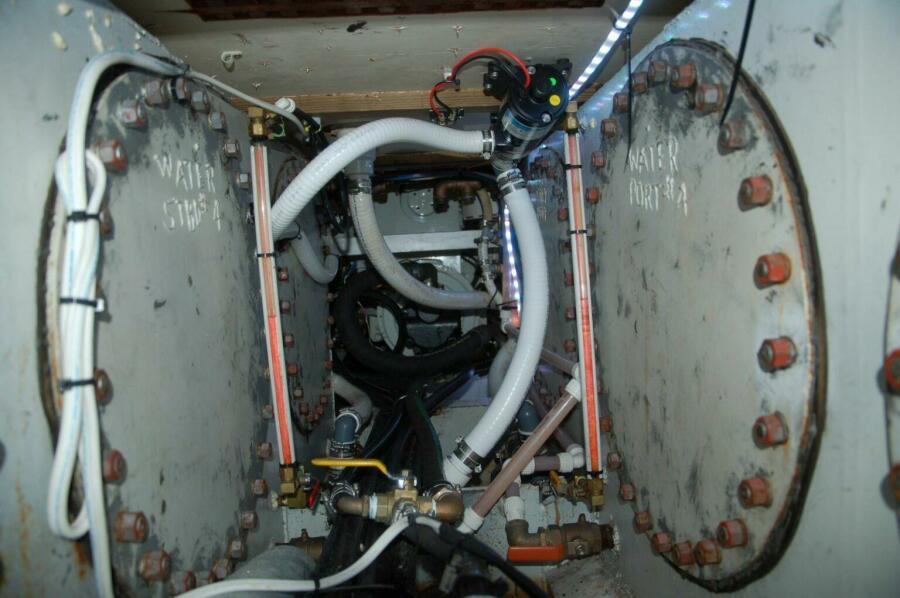
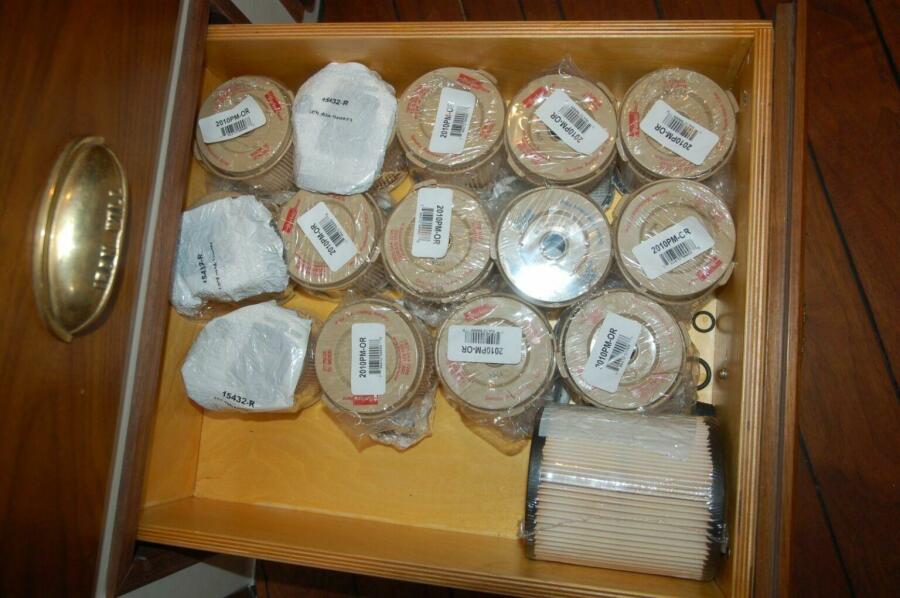
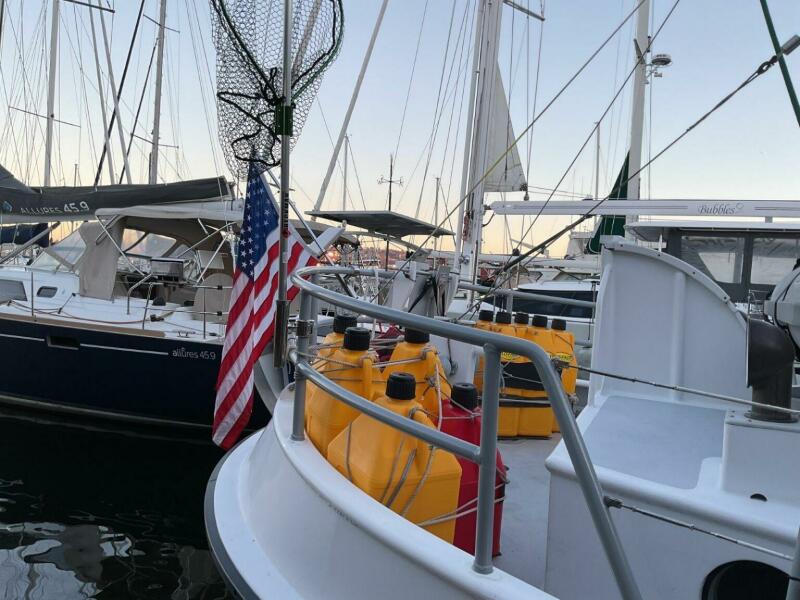
Diesel fuel capacity and range were one of the big factors why IRON WILL was selected for the Northwest Passage expedition. There are four welded steel diesel tanks integral to the hull. All are fitted with sight glasses for dependable level reading. Large “man size” inspection ports are fitted at each tank for cleaning and inspection. A 500 gallon tank is just aft of the engine room on each side and a 200 gallon tank is further aft, between the salon and aft stateroom on each side. A fuel transfer/polishing system and dual Racor filters on the engines ensure clean diesel. The owner reports a burn rate of 2.6 gallons per hour and a range of 4,000 nm. Nine diesel jerry jugs are also included to stretch the range if desired or allow fueling in remote locations where there are no fuel docks.
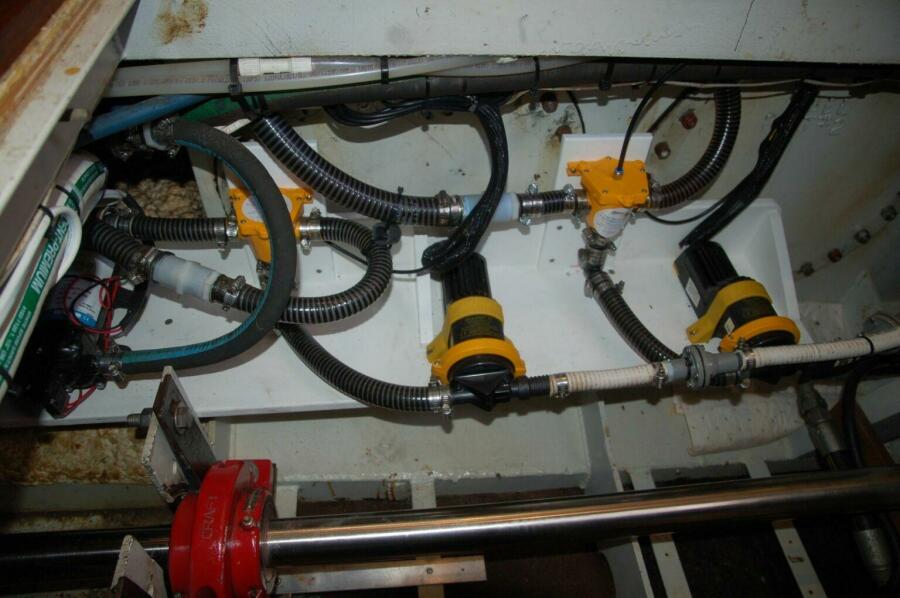
All machinery was selected for maximum dependability and ease of maintenance. Bronze Groco though hull valves are flange-mounted on steel pipes with insulating rubber gaskets. Wherever possible, pumps and other equipment is soft-mounted to minimize noise.
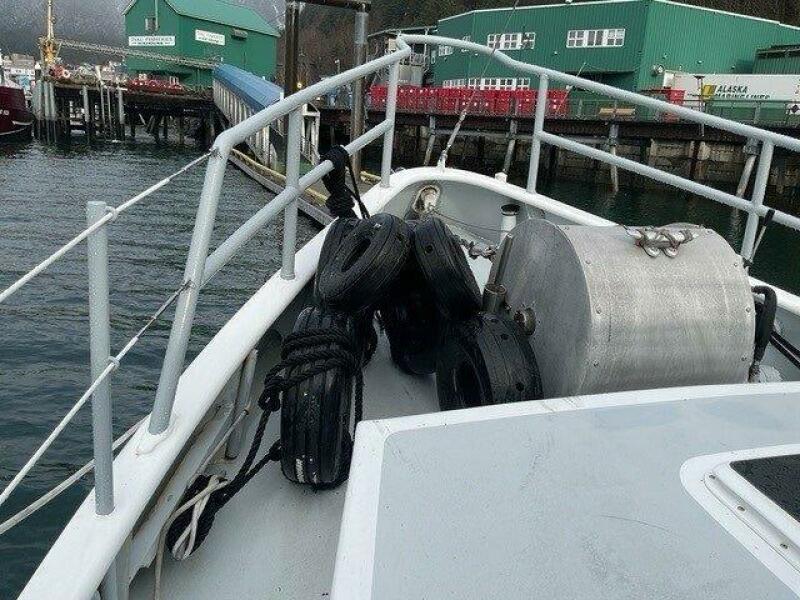
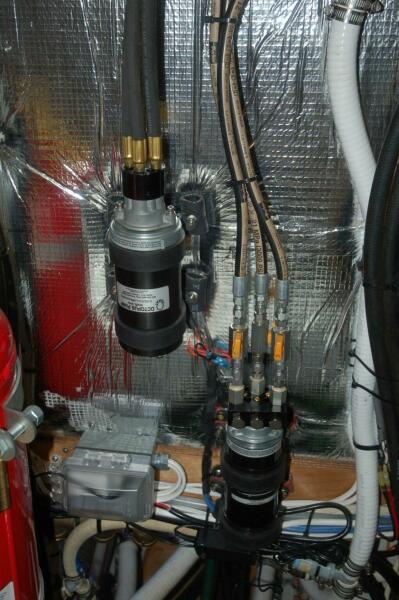
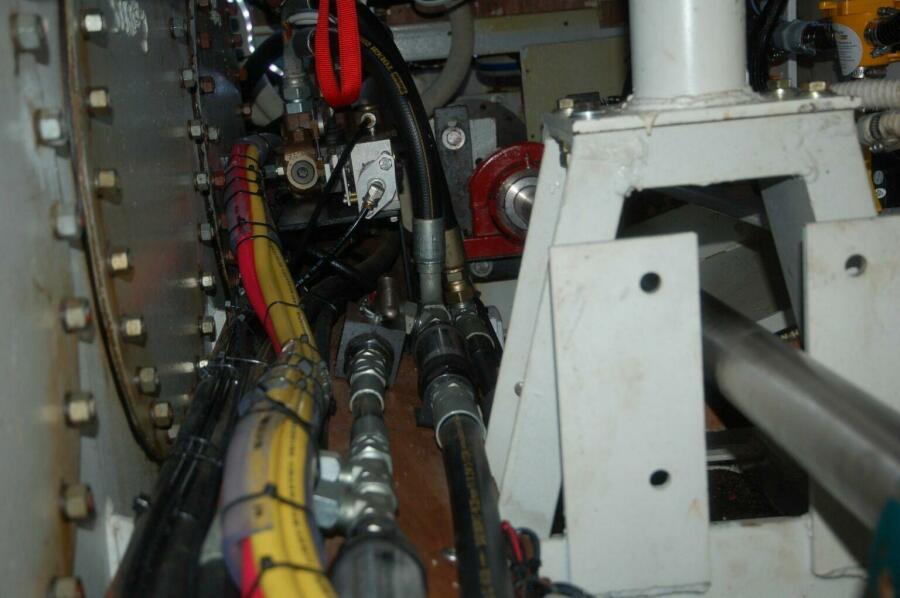
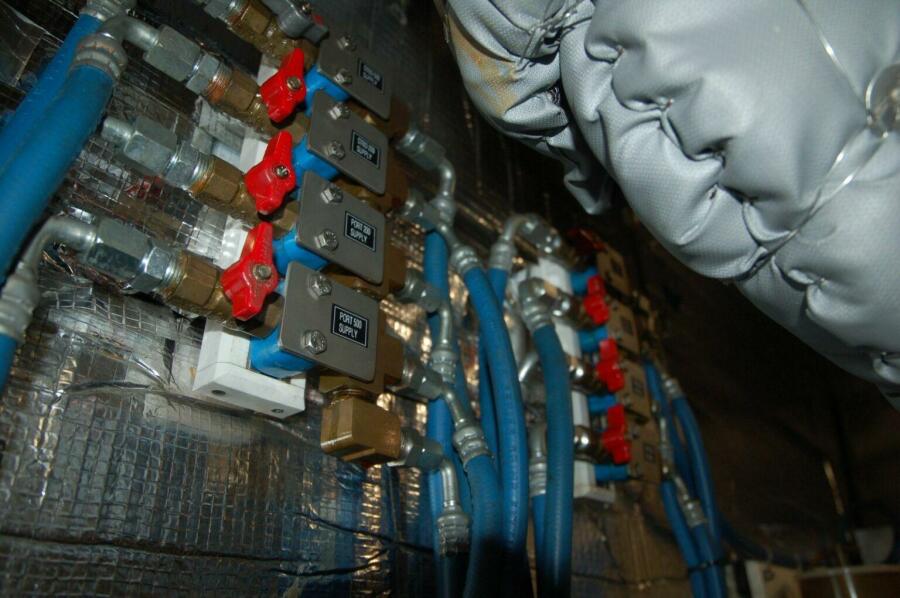
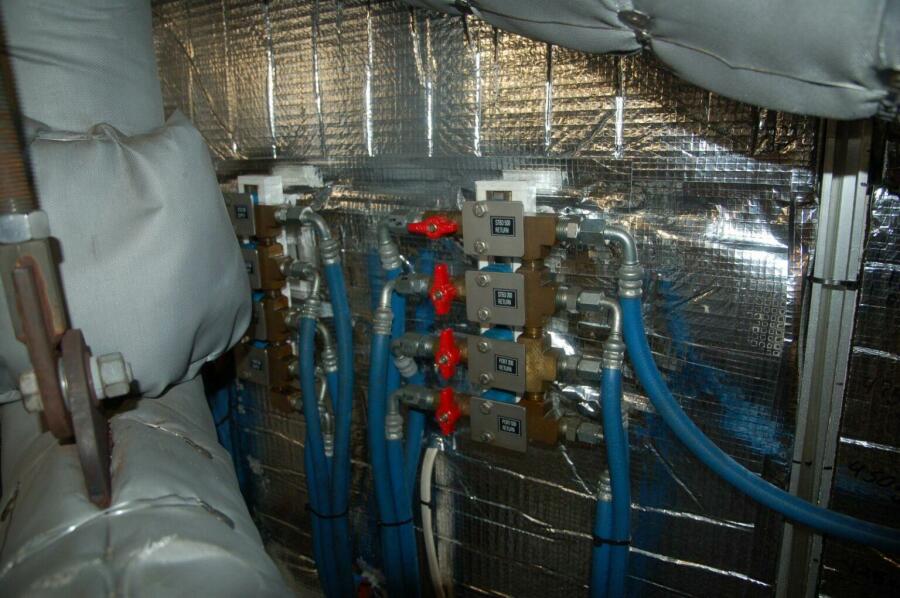
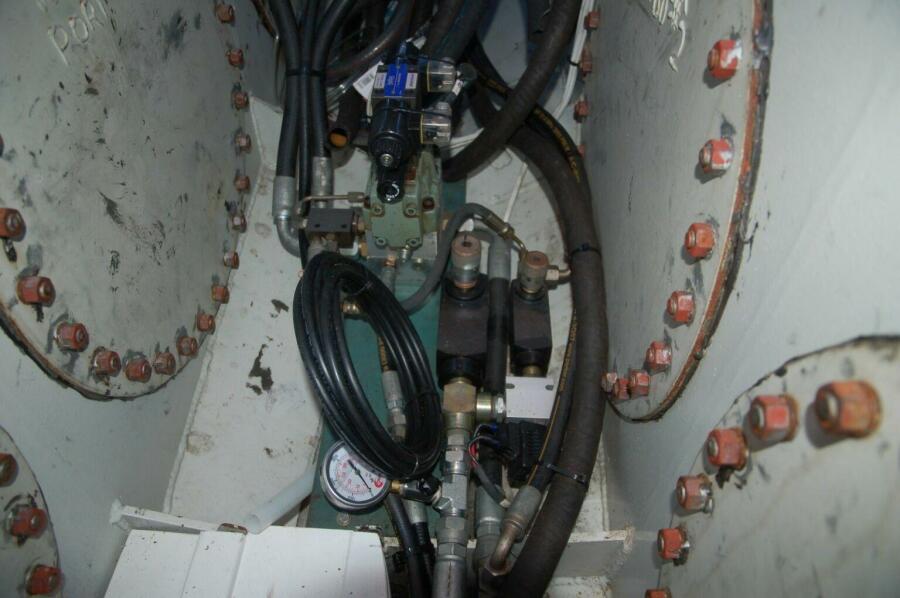
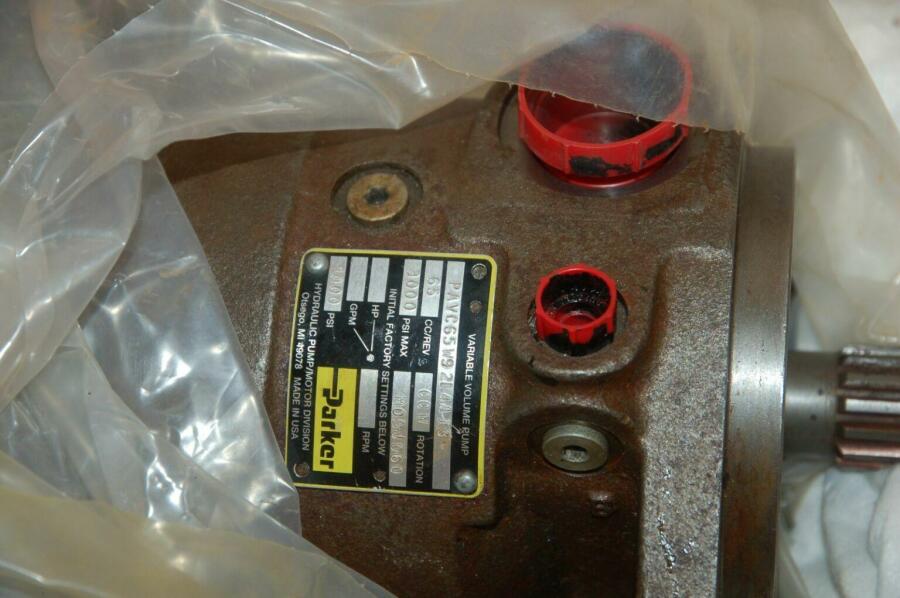
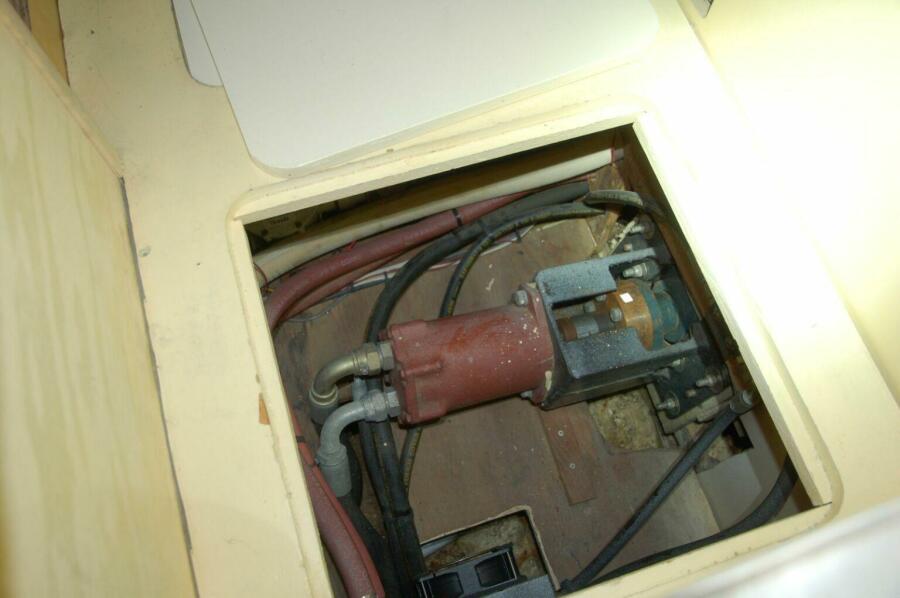
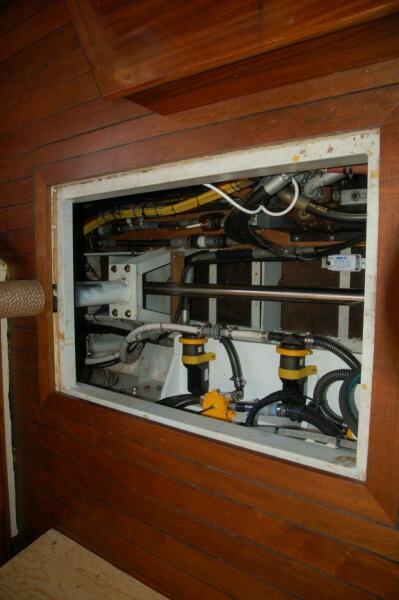
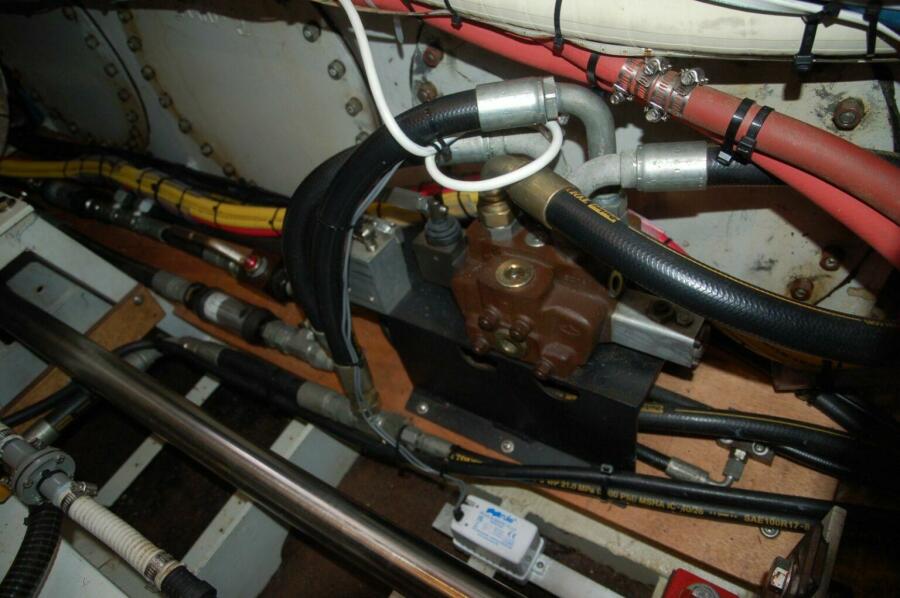
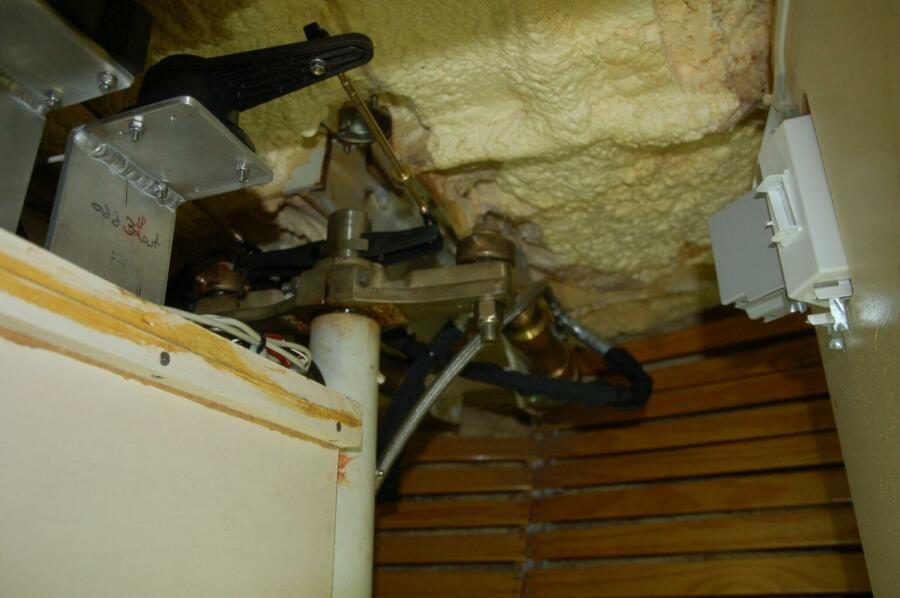
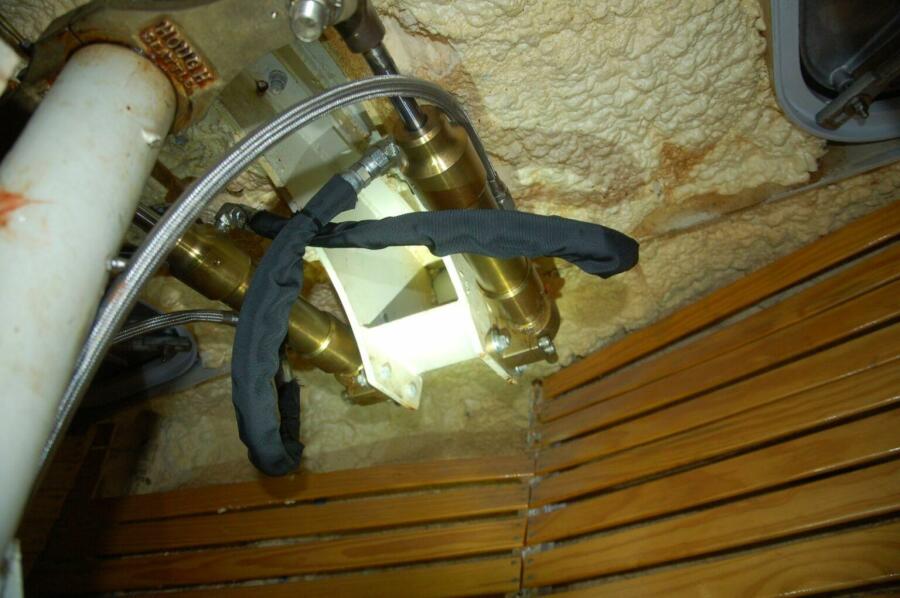
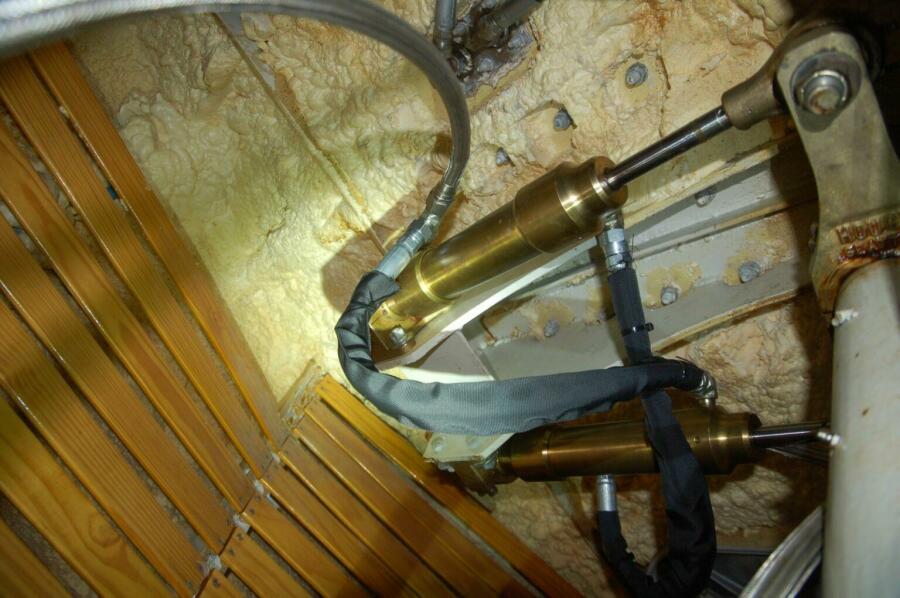
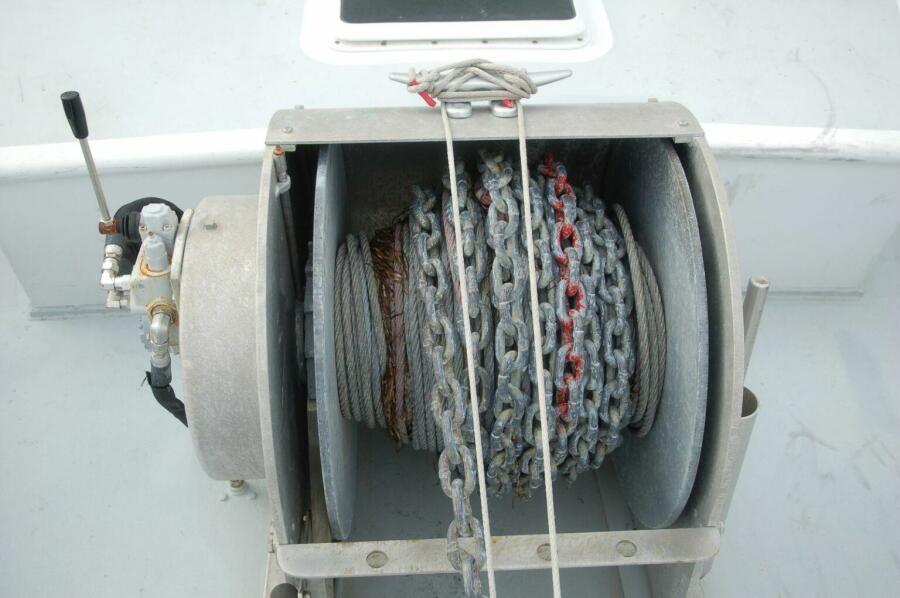
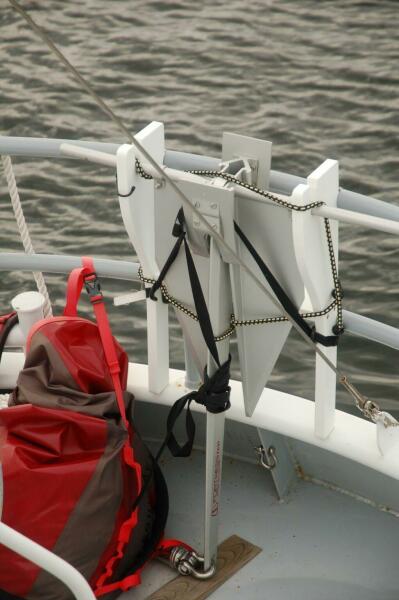
The hydraulic system was designed and installed by H.A. Thompson Inc. in Seattle a company specializing in work and fish boat systems. Two large hydraulic pumps (one on the wing lugger, and one on the main engine) provide hydraulic pressurized hydraulic oil which is used by the anchor windlass, bow thruster, stern warping drum, and “get home” motor. The get home motor is to starboard and forward of the main propellor and is fitted with a folding propellor. In calm seas it will move IRON WILL at approximately four knots.
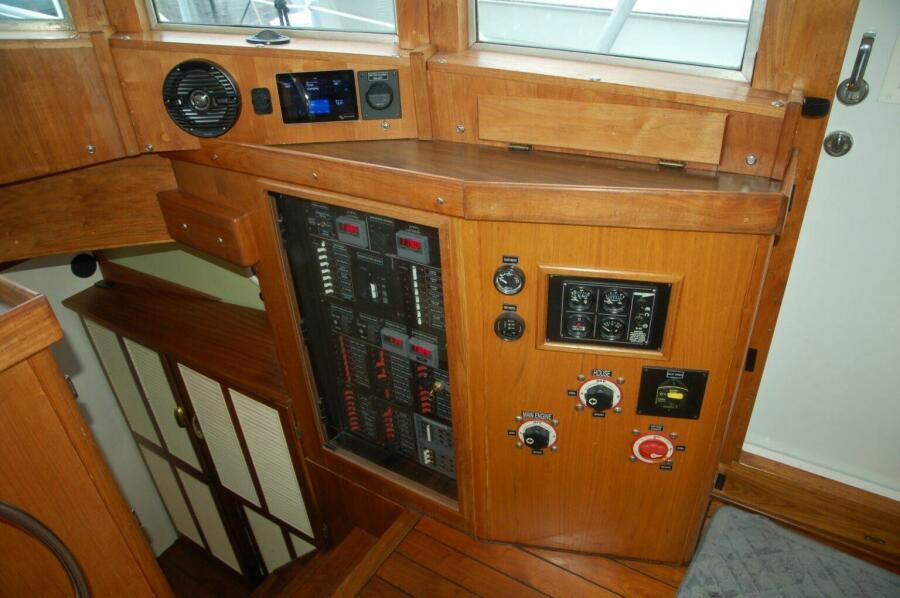
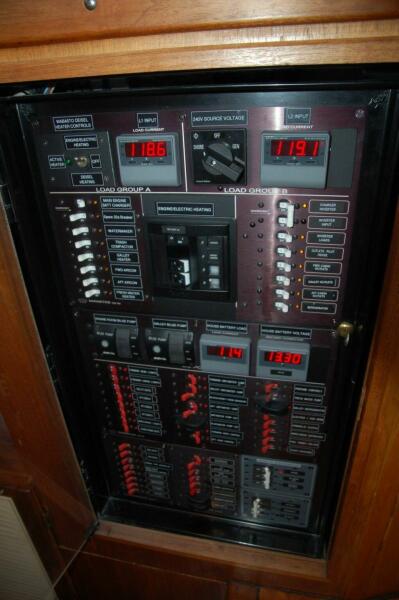
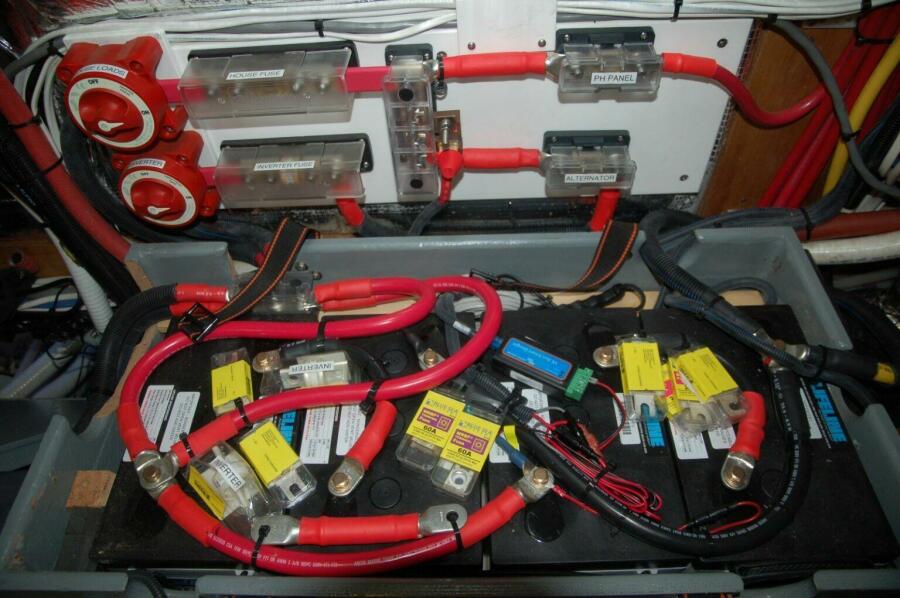
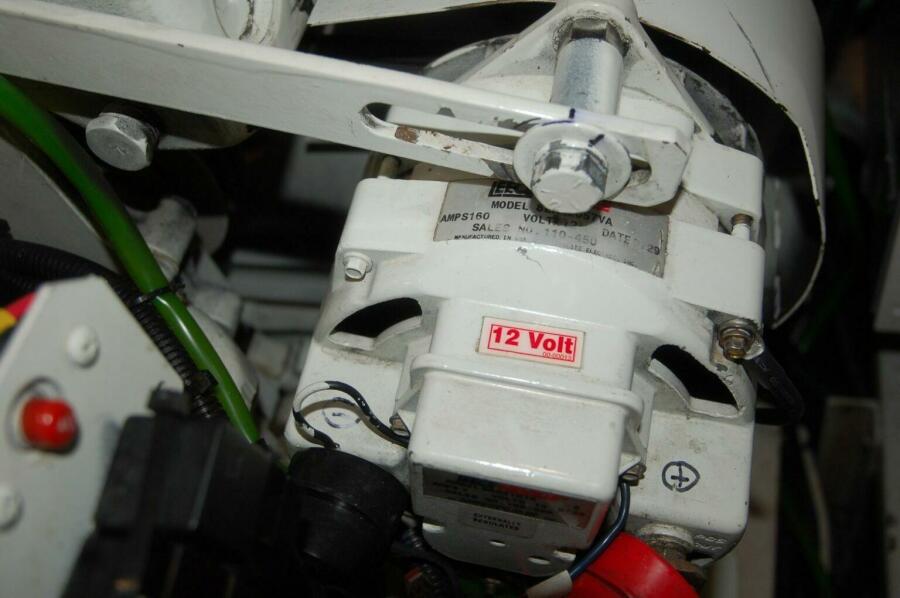
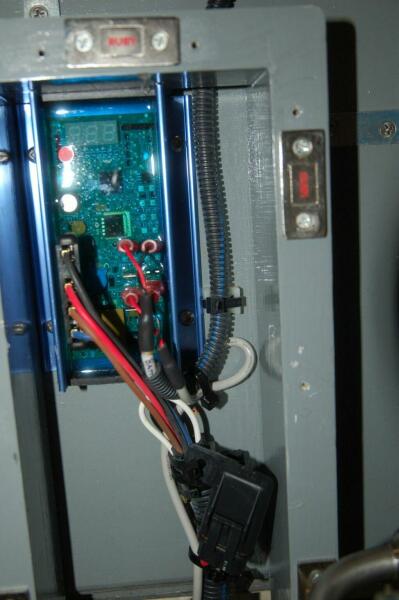
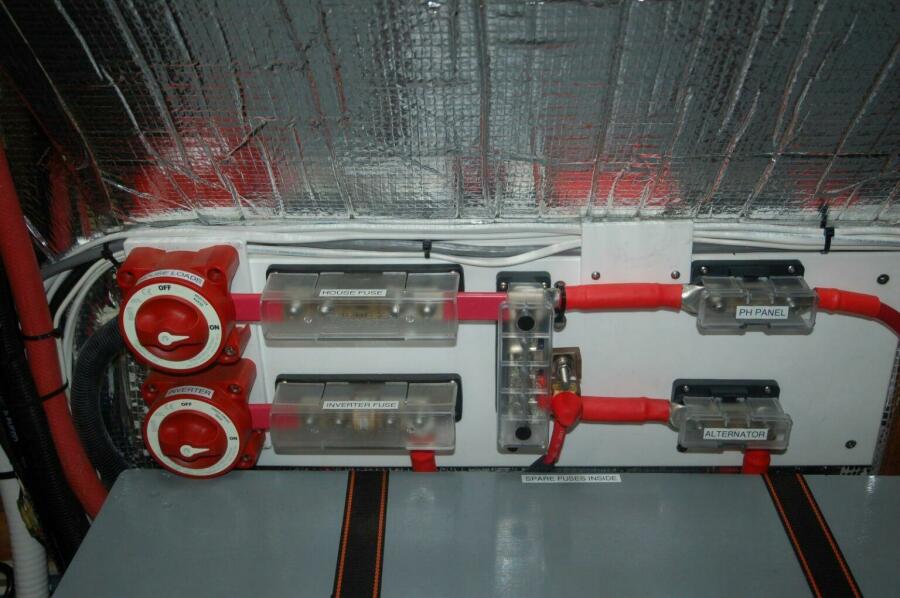
A major electrical system upgrade/rewire was completed by Paul Erickson of Rider Marine Services in Seattle in preparation for the Northwest Passage trip. All batteries were replaced. Victron DC power equipment was added. Large DC power cables were added and the entire system gone through with a fine-tooth multimeter to ensure reliable power generation, storage, and consumption in the trying Arctic Ocean.
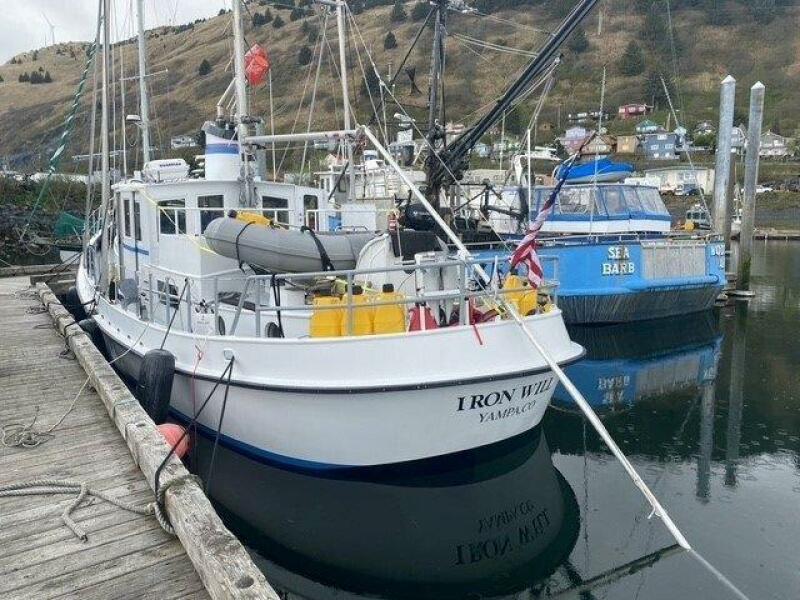
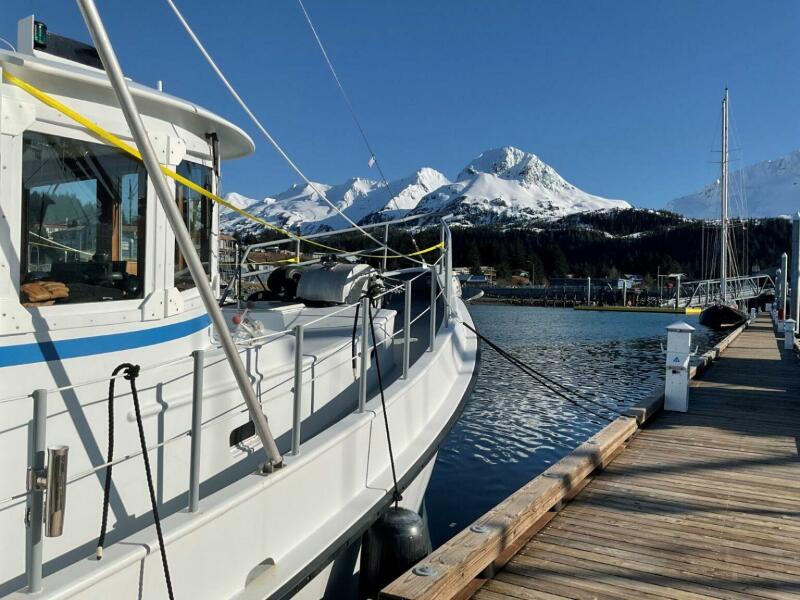
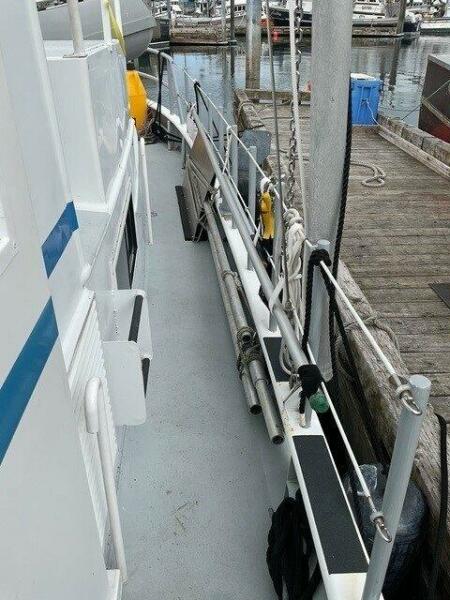
IRON WILL has a painted white steel hull with black antifouling bottom paint, and 4” wide blue boot stripe. A 4” wide rub rail runs around the entire hull at deck level and is capped with 1 ½” square UHMW black plastic. This is the ultimate protection from pilings. 15” tall raised bulwarks help keep waves off the decks and crew aboard. Freeing ports at low points on each side drain water. Double lifelines run from bow pulpit to stern railings through welded stanchions atop the bulwark. A 5” wide caprail is welded atop the bulwark.
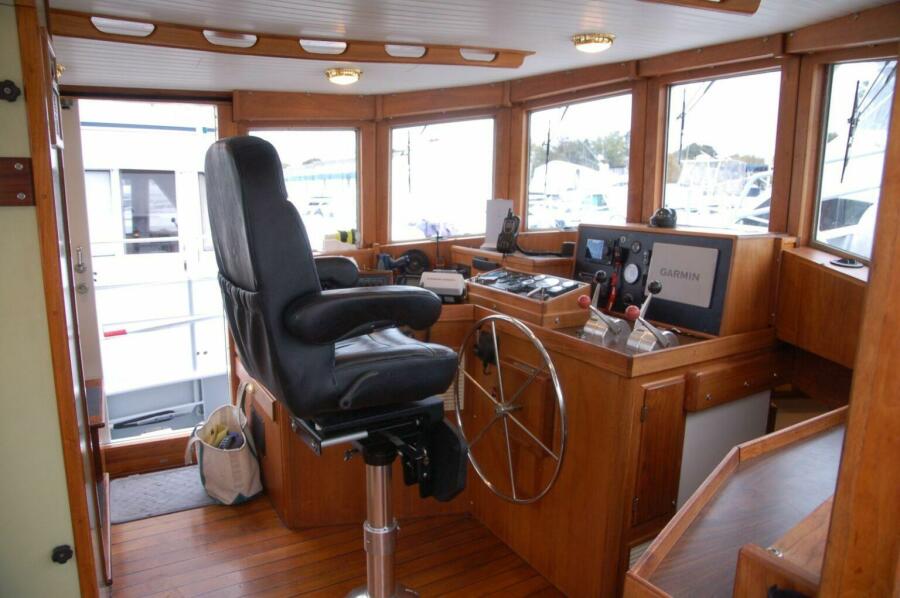
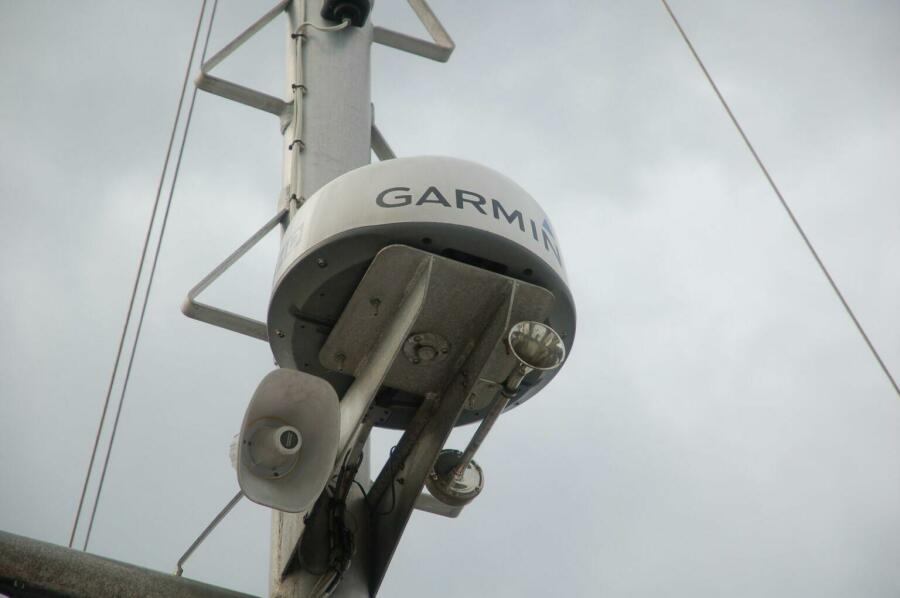
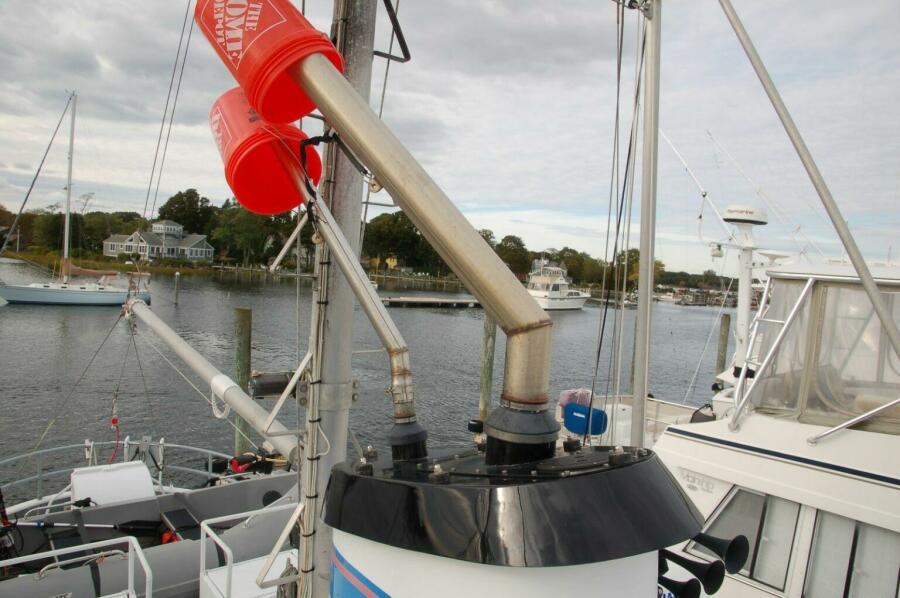
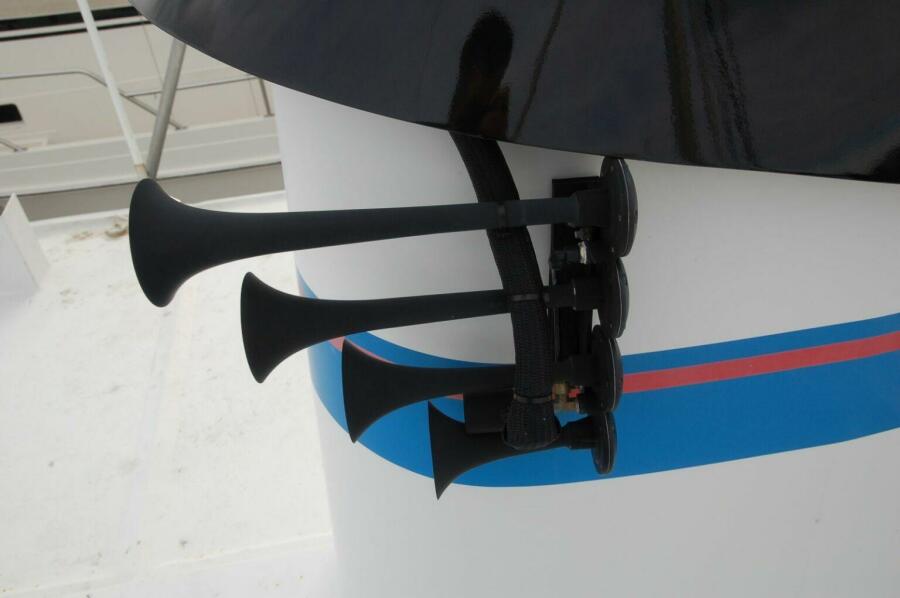
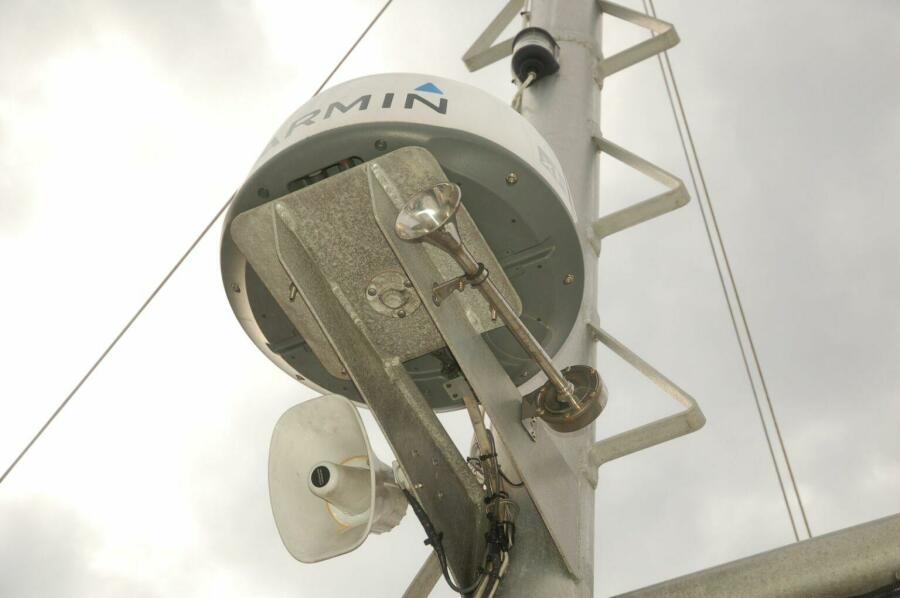
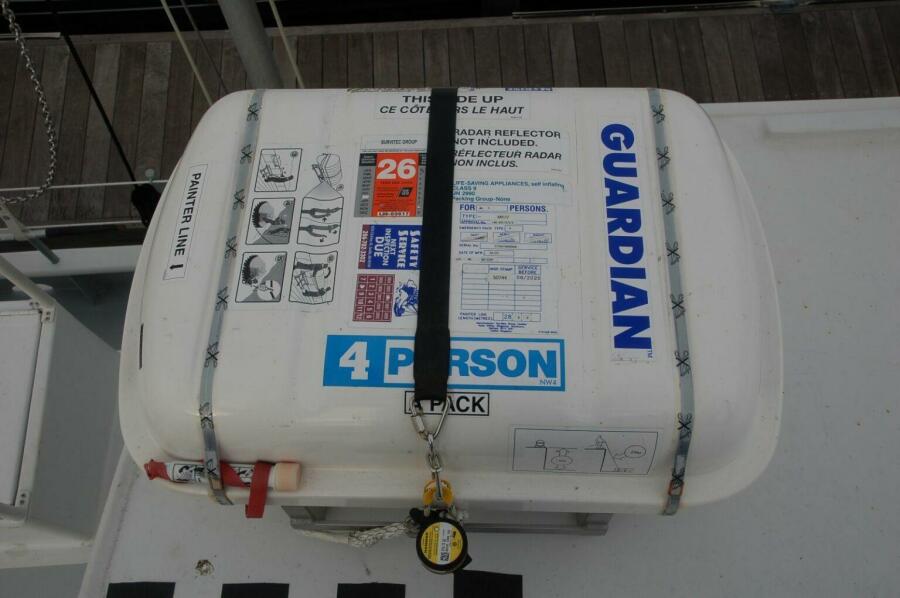
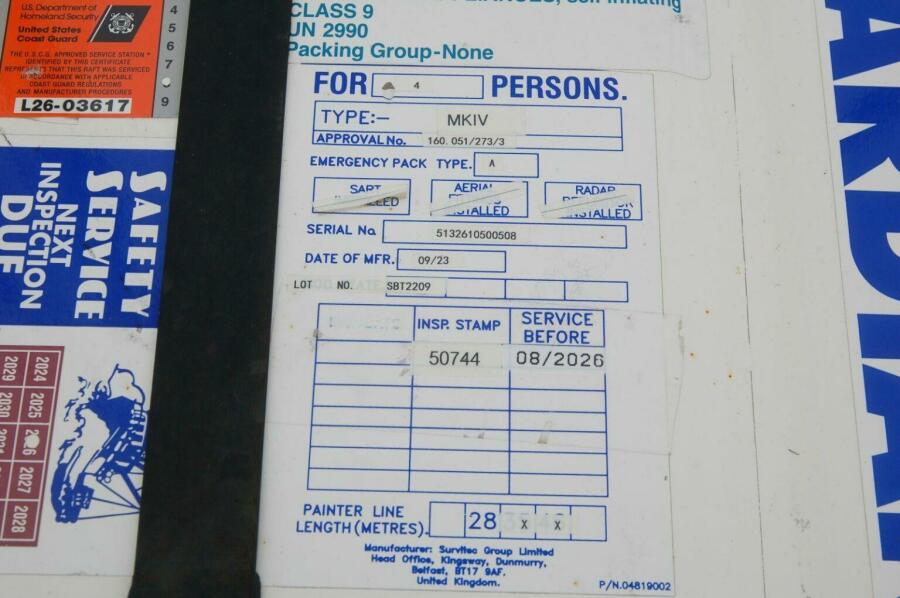
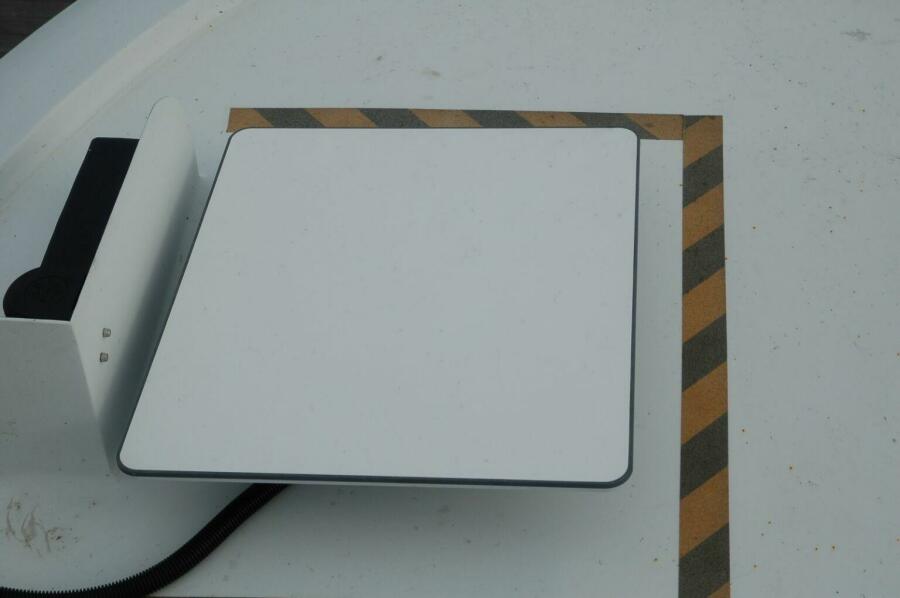
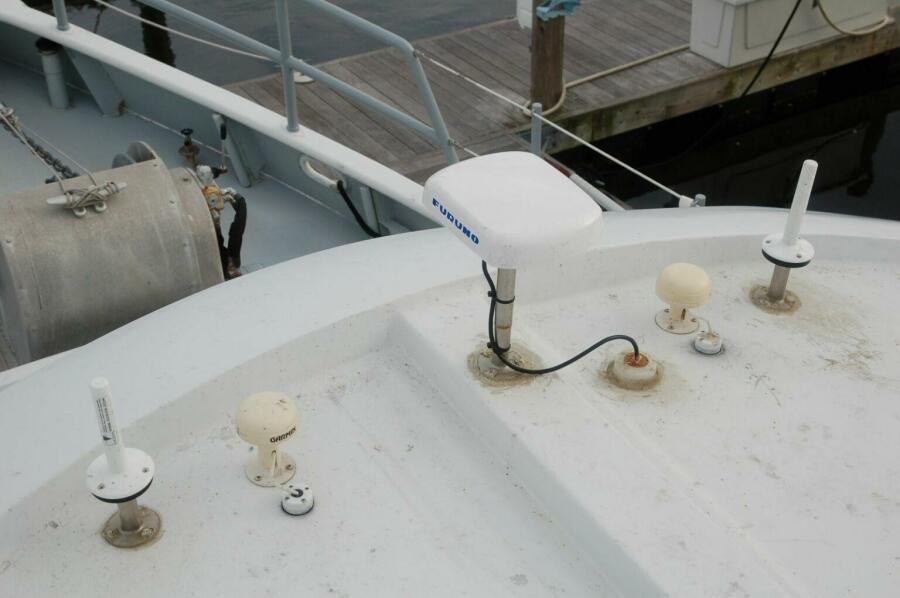
The decks and bulwark insides are painted light grey. Nonskid is added to the deck paint on side decks and other areas where one might stand and appreciate traction. The superstructure is aluminum and joined to the steel decks with a TriClad/Detacouple explosion-bonded plate. The forward trunk cabin is 19” tall and fitted with a welded ½ pipe eyebrow trim around the top edge. The hull design has significant sheer making a high/dry bow with lower side decks for dock and tender access. Decks and cabintops are well cambered for strength and water shedding. The forward pilothouse is vertical and radiused. Antennas and liferaft are located atop the pilothouse. The two stainless steel exhaust pipes exit a faux stack. Five forward windows are fitted with wipers.
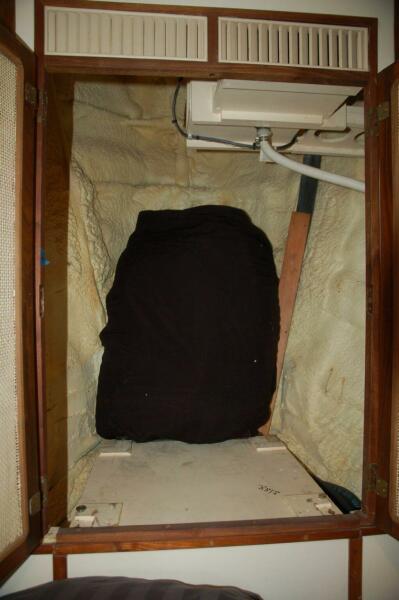
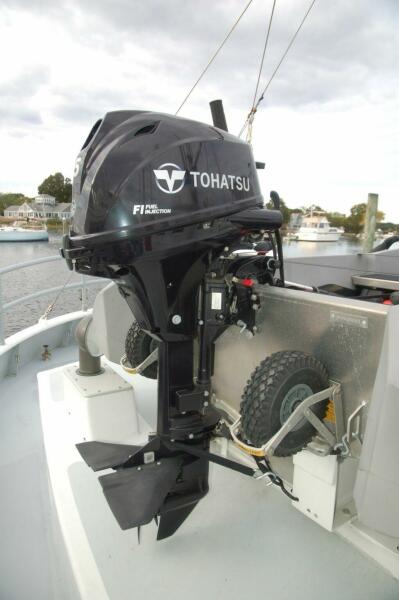
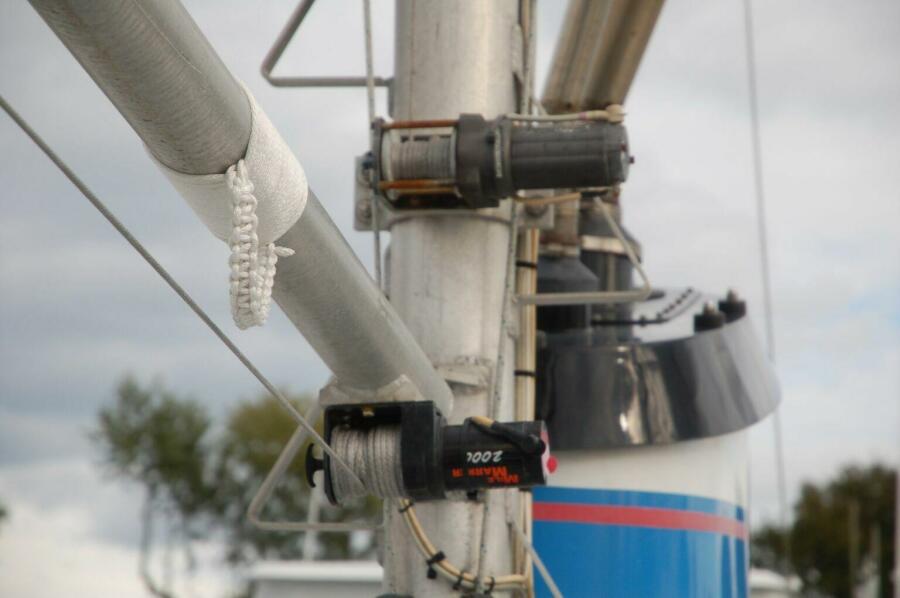
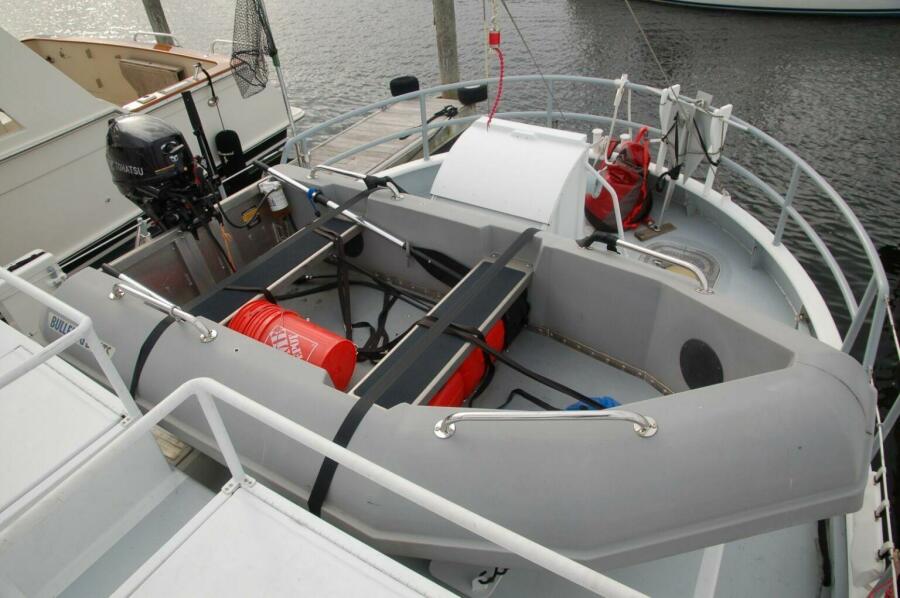
A lounge deck is aft of the pilothouse and 34” above the main deck. “L”-shaped seats are located atop storage lockers. Welded railing provides back support. The Bullfrog tender sits atop the rear trunk cabin on a custom welded aluminum cradle. The tender is launched using the tackle and electric winches on the mast and boom. A stern storage locker is accessed in the aft deck through two Freeman watertight hatches. This locker is lined with wood boards in way of hull bottom and sides to protect the foam insulation. The rudder post and steering gear are located in this locker.
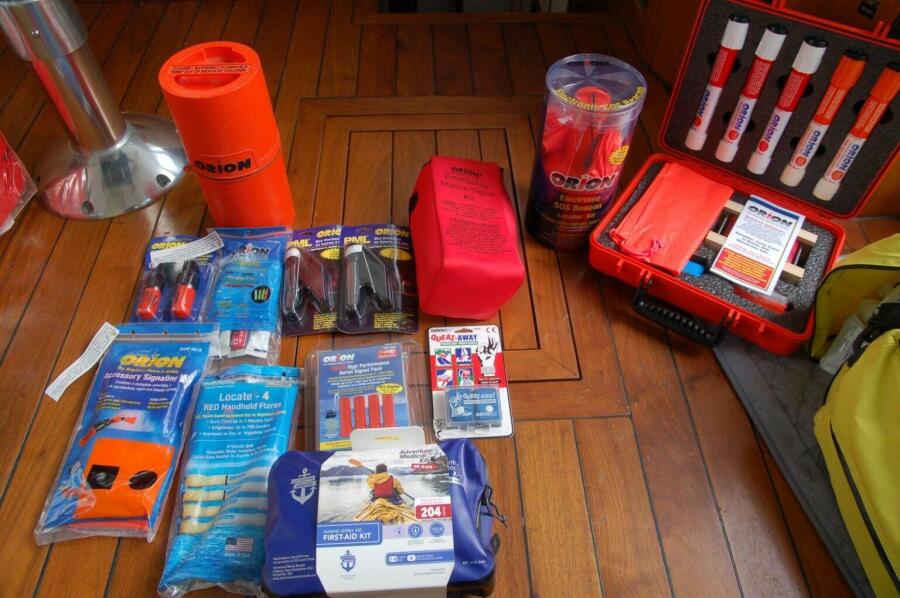
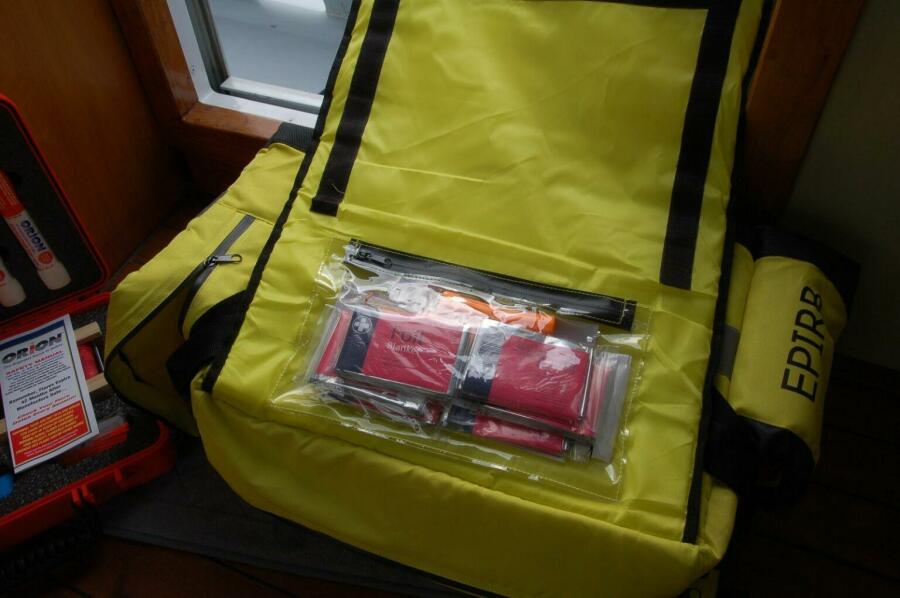
Work done in preparation for Summer of 2025 Northwest Passage voyage from Seattle, Washington to Wickford, RI.
Contact our team to schedule a private showing.
Love this yacht? Get notified on price reductions and other related updates.
Set Price WatchStay informed on all things yachting, including notable sales, industry updates, events, and boating tips with our newsletters.
Sign Up




 APPLY FOR A LOAN
 GET AN INSURANCE QUOTE
 TRADE YOUR YACHT
 PREPARE DOCUMENTATION