


A step-by-step look at the process, from due diligence to settlement
Digital assets have become a normal way to pay for large purchases, and yachting is no exception. Denison handles crypto transactions across brokerage sales, new construction, charter and yacht management, working with our payments partner Bitcashier.
The process is more structured than most people expect. Here's how a transaction actually moves.
What you can pay with
Three options are currently supported today:
- Bitcoin (BTC). Launched in 2009, with a capped supply of 21 million coins. Still the most recognized digital asset and often described as digital gold.
- Ethereum (ETH). Launched in 2015, a blockchain platform enabling smart contracts, with a native token used widely across digital finance.
- USDT and USDC. Dollar-pegged stablecoins designed to hold a 1:1 value against the US dollar. Because they don't swing with the market, they've become the practical default for large transactions.
- Coming Soon: Ripple (XRP). A digital asset designed for fast, low-cost cross-border payments, widly used for international fun transfers.
If you're paying in a stablecoin, you're effectively moving dollars on a faster network rather than timing a market. That's a meaningfully different exercise than sending Bitcoin, and it's worth knowing which one you're doing before you start.
Step 1: Pre-contract due diligence
This happens before anything else, and it's the stage that surprises people who assume crypto means anonymous. It doesn't.
Bitcashier collects the following from the buyer:
- Buyer's name and email address
- Government-issued ID, unexpired
- Proof of physical address
- Contract amount and the cryptocurrency being used
- Wallet address
- Source of funds documentation
Source of funds does the heavy lifting. Bank statements, asset sale agreements, investment or crypto exchange statements, and loan or inheritance documentation all work, along with any other evidence showing where the money came from. Wallets are also screened using chain analysis before anything proceeds.
If you've closed a large fiat transaction before, this will feel familiar. It's the same KYC and AML posture applied to a different instrument.
Step 2: Invoice issuance
Once due diligence clears, your broker generates an invoice. It reaches you by email as a QR code.
The invoice is denominated in the contract currency, so what you owe is fixed in dollars or euros, not in coins.
Step 3: Payment and conversion
You scan the QR code and pay from your preferred wallet at the real-time exchange rate. That rate is held for a short window, typically up to fifteen minutes, which is your window to execute.
The cryptocurrency converts into the contract currency immediately on receipt. That conversion is the entire point of the structure. It takes price volatility out of the transaction for both sides, so a move in the market between payment and closing isn't anyone's problem.
Step 4: Funds transfer
The fiat is transferred to the broker's or seller's bank account through standard payment networks.
How long it takes
Invoicing, payment and conversion each settle in minutes. The final bank transfer typically takes two to five business days.
Those two things are worth separating. The crypto side is fast. The last leg is a bank wire, and it behaves like a bank wire, subject to the same cut-off times and banking hours as any other transfer.
Where crypto is used across a yacht's life
It isn't only for purchases. Crypto works at every stage of ownership.
Brokerage sales. The most common use, and the one most people think of first.
New construction. Progress payments against a build contract, settled the same way.
Charter. Booking a week in the Med or a season in the Caribbean.
Yacht management. Recurring monthly operating costs, which turns a one-time transaction into an ongoing payment relationship.
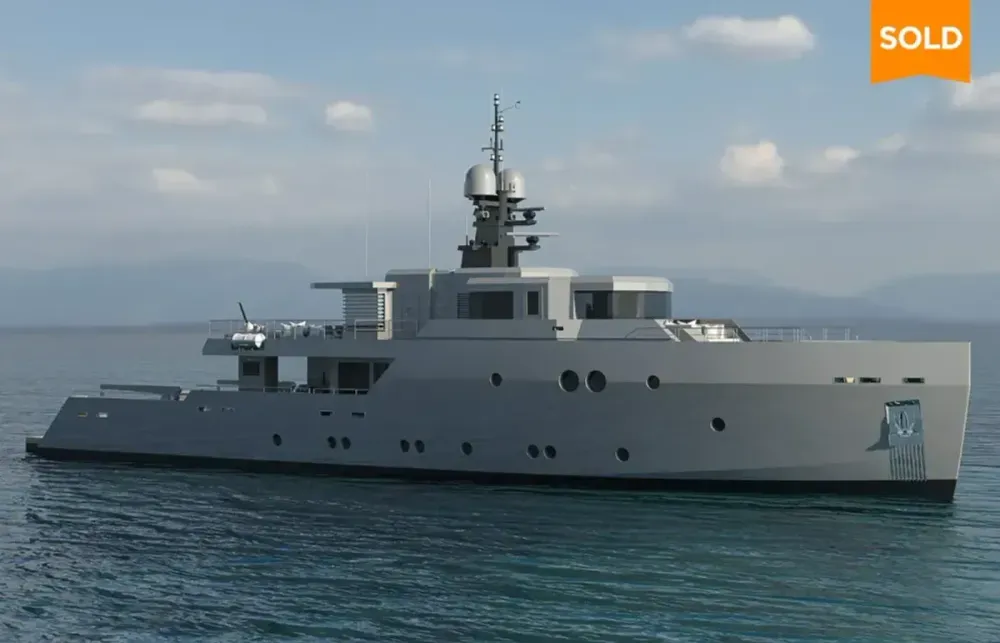
Denison has closed on this rail before. In February 2025 we completed a 41 meter Aegean Yacht new build via crypto, Project OBSIDIAN BLADE.
What this looks like from the seller's side
The seller's position is the part most owners want to understand, and it's simple.
You don't hold crypto. The payment converts and settles to your account in the contract currency, in full.
You don't change your back office. Closing documentation is what it always was: bill of sale, acceptance protocol, or charter confirmation. What's added is an audit trail with the invoice, the on-chain transaction hash, and the settlement record.
You don't take price risk. Volatility sits with the processor during conversion, not with you.
One note on taxes
In the United States, crypto is treated as property. Using Bitcoin, Ethereum or a stablecoin to buy a yacht is a taxable disposition at fair market value on the day of payment, which can produce a capital gain or loss. Keep your transaction hash, invoice and settlement statement, and speak with your tax advisor before you pay. The IRS guidance is in Notice 2014-21.
Speak With A Denison Specialist
Our team can structure a purchase, new build, charter or management arrangement using BTC, ETH or USD stablecoins, with settlement in your contract currency.




















































![Yacht Purchase Process [Complete Guide]](https://www.denisonyachtsales.com/uploads_cms/medium_Featured_Yacht_Buying_Guide_97c39e01ac.jpg)